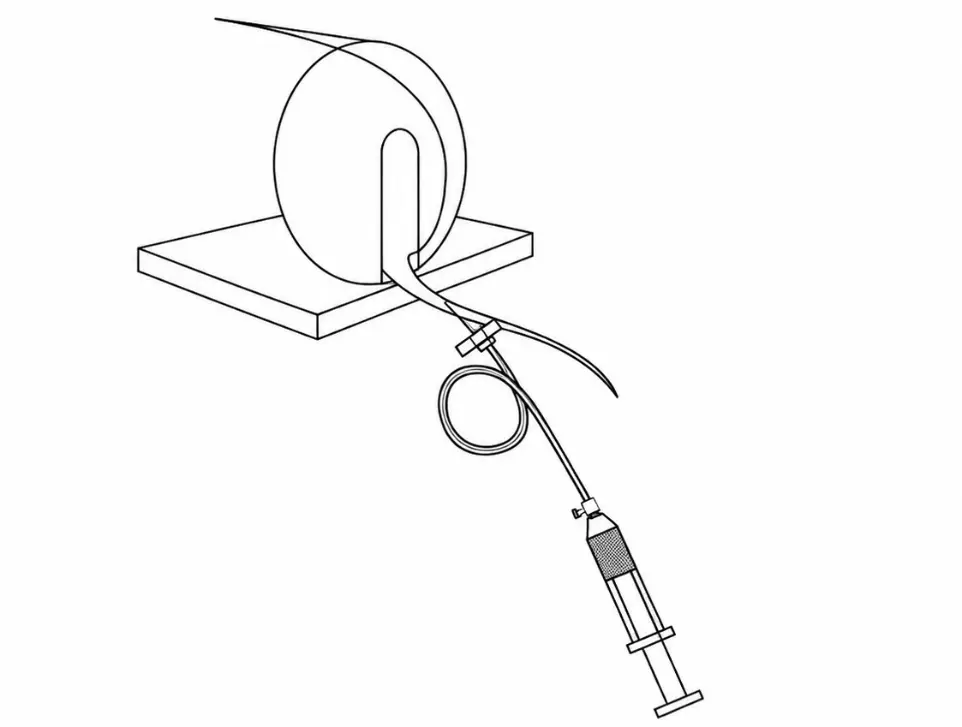
Tail vein injection is one of the most commonly used mouse intravenous injection techniques in biomedical and preclinical research. Due to its advantages of rapid systemic drug delivery, high bioavailability, and minimal invasiveness, Mouse Tail Vein Injection is widely applied in pharmacology, immunology, oncology, gene therapy, and neuroscience studies.
A successful Mouse Tail Vein Injection requires accurate vein localization, stable animal restraint, and sufficient tail vein dilation. Traditionally, researchers often use warm water or external heat sources to warm the tail before injection. However, maintaining a consistent temperature during the procedure can be challenging.
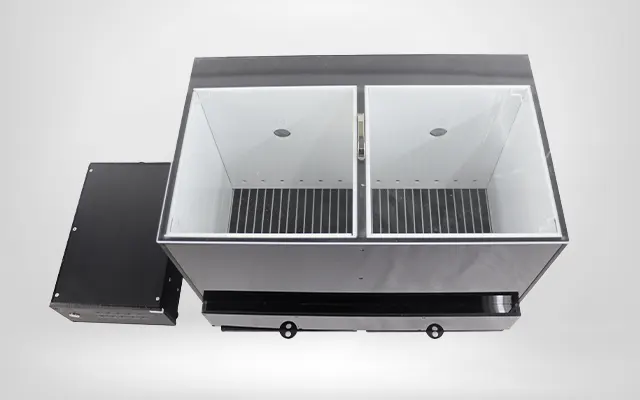
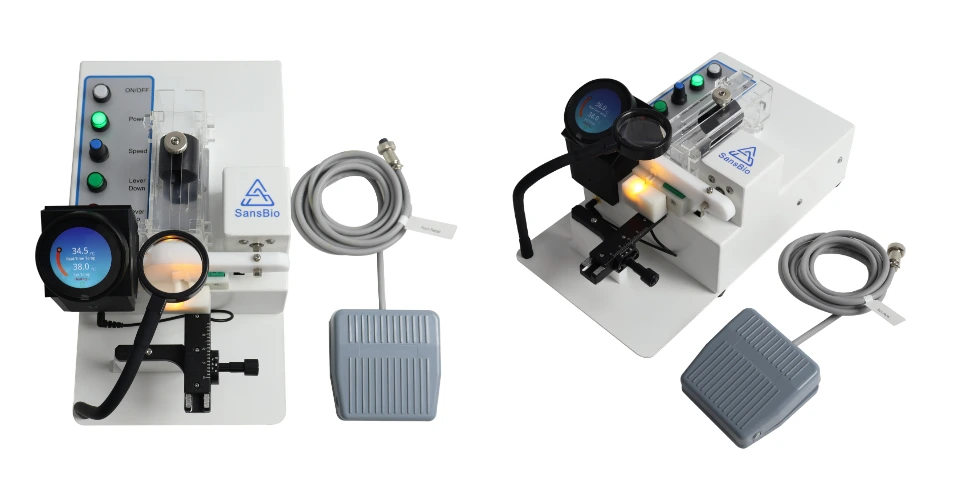
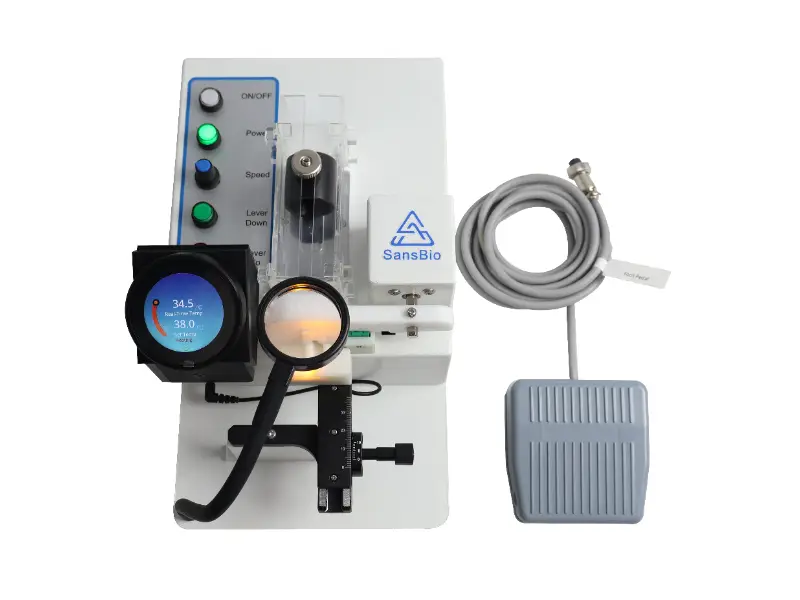
BioMed Tail Vein Injection Device with Warmer, also call Transilluminator, integrates a mouse restrainer, tail positioning structure, and a temperature-controlled warming module to simplify the test. The built-in heater with K-type thermocouple feedback enables real-time temperature monitoring and stable heat regulation, helping maintain tail vein dilation during injection.
What Is Tail Vein Injection?
Tail Vein Injection is a method of delivering compounds directly into the bloodstream through the lateral tail veins of mice or rats. After injection, the substance enters systemic circulation through the venous system, allowing rapid distribution throughout the body.
Compared with other administration routes, such as intraperitoneal injection or subcutaneous injection, Mouse Intravenous Injection through the tail vein provides:
- Rapid absorption and systemic distribution
- Precise dosage control
- High reproducibility for repeated experiments
- Suitable application in pharmacokinetic and therapeutic studies
This makes the Mouse Tail Vein Injection Technique an essential skill for researchers working with laboratory animals.
Tail Vein Anatomy and Injection Site Select
The mouse tail contains four major blood vessels:
• One dorsal middle vein
• Two lateral tail veins
• One ventral middle artery
For most Tail Vein Injection procedures, researchers typically select the left or right lateral tail vein because these veins are superficial, close to the skin surface, and easier to visualize.
The injection site is usually located at approximately the 4 o’clock or 8 o’clock position on the tail cross-section, where the lateral veins are positioned.
After the needle enters the lateral tail vein, the injected solution flows into deeper venous circulation and eventually reaches the inferior vena cava, allowing rapid systemic distribution.
Step 1 – Prepare the Mouse and Injection Device
Before starting the Mouse Tail Vein Injection Procedure, prepare:
• Laboratory mouse
• Tail Vein Injection Device with Warmer SA442
• Syringe with 27–30G needle
• 70–75% ethanol wipes
• Injection solution
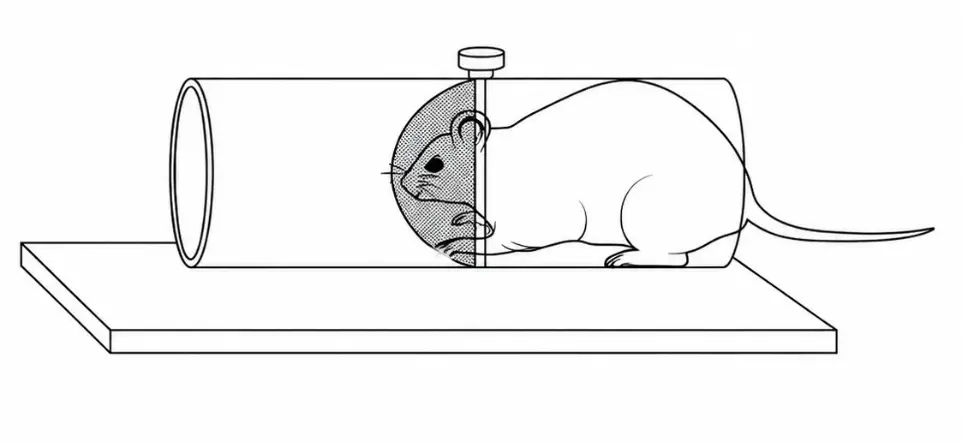
Place the mouse into the restrainer and ensure that the animal remains comfortable with unobstructed breathing.
Step 2 – Warm the Tail and Improve Vein Visualization
Tail vein dilation is essential for successful intravenous injection. When mice experience reduced peripheral circulation, tail veins may become narrow and difficult to access. Local warming promotes vasodilation, making the lateral tail veins more visible.
With BioMed Tail Vein Injection with Warmer (also call Transilluminator)
- Position the mouse tail on the warming platform.
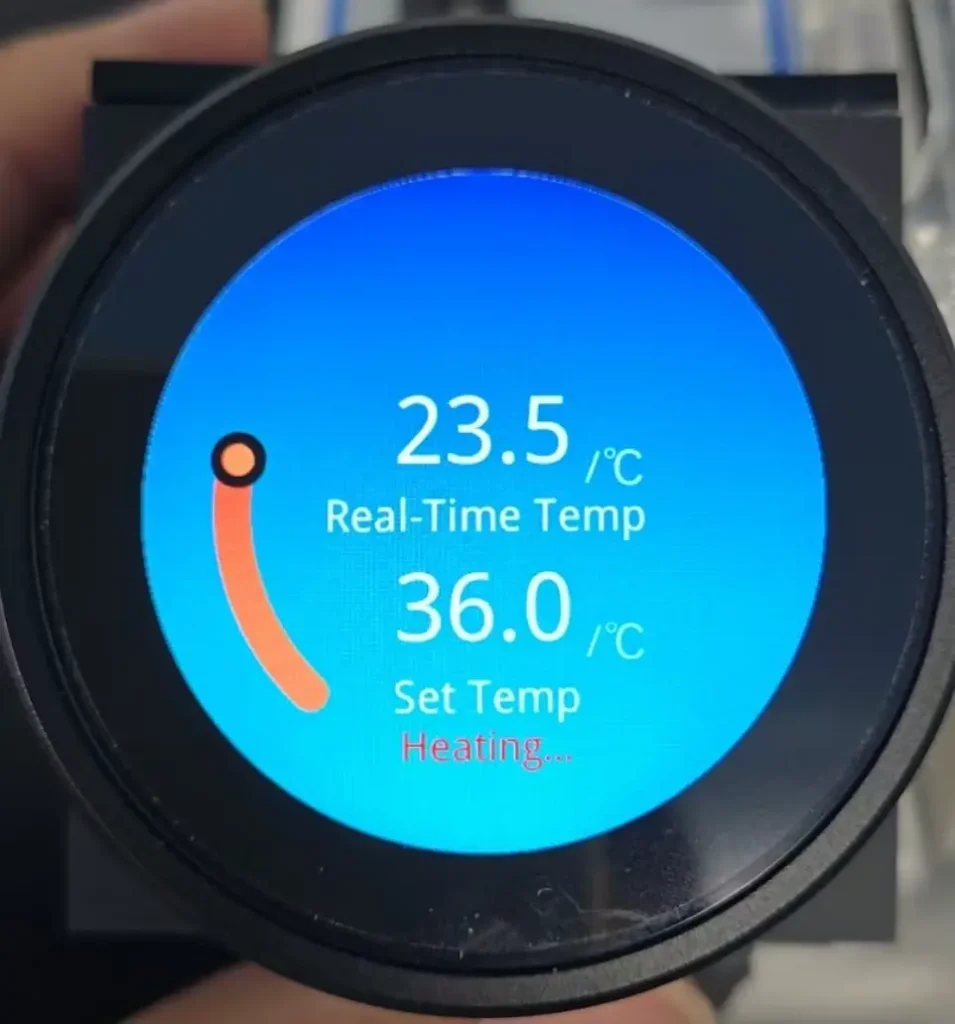
- Activate the warmer and set the target temperature, 38.5~39.5degree is recommended.
- Allow the tail temperature to stabilize before injection.
- Use the illuminated and warmed tail area to identify the lateral vein.
Step 3 – Identify the Lateral Tail Vein
For most Tail Vein Injection Techniques, the left or right lateral tail vein is selected because it is superficial and easier to access.
Rotate the tail approximately 90° to position the lateral vein upward. Clean the injection area with alcohol to disinfect the skin and improve vein visibility.
Step 4 – Needle Insertion and Drug Administration
Hold the syringe with the bevel facing upward.
Recommended injection parameters:
• Needle angle: 10°–30° relative to the tail surface
• Needle direction: Parallel to the vein
• Needle depth: Approximately 2–3 mm
Start injection from the distal part of the tail whenever possible. This allows additional injection attempts closer to the proximal region if needed.
Slowly inject the solution while observing resistance.
Successful injection indicators:
✅ Smooth injection without excessive resistance
✅ Temporary whitening of the vein after administration
✅ No swelling around the injection site
Step 5 – Post-Injection Care
After completing the Mouse Intravenous Injection:
- Carefully remove the needle.
- Apply gentle pressure with sterile cotton or gauze for 5–10 seconds.
- Release the mouse from the restrainer.
- Monitor recovery and general behavior.
The stable positioning and controlled warming provided by the Tail Vein Injection Device with Warmer help improve workflow consistency and support repeatable small animal injection procedures.
Applications of Mouse Tail Vein Injection in Research
The Mouse Tail Vein Injection Method is widely used in:
• Drug delivery studies
• Pharmacokinetic analysis
• Cancer research
• Immunological experiments
• Gene delivery studies
• Nanoparticle and biomaterial research
• Disease model development
Because of its efficiency and reproducibility, tail vein injection remains a fundamental technique in modern small animal research.
Conclusion
Tail Vein Injection is a valuable and widely used mouse intravenous injection technique for systemic drug delivery and preclinical research.
Understanding mouse tail anatomy, selecting the correct injection site, maintaining proper restraint, and following standardized procedures are essential for successful outcomes.