Lab Animal Equipment
  • rotarod test
  • RotaRod for Mice
  • Mice RotaRod
  • RotaRod test
  • Rats RotaRod
  • RotaRod mice
  • rotarod test
  • RotaRod for Mice
  • Mice RotaRod
  • RotaRod test
  • Rats RotaRod
  • RotaRod mice

RotaRod for Mice and Rats

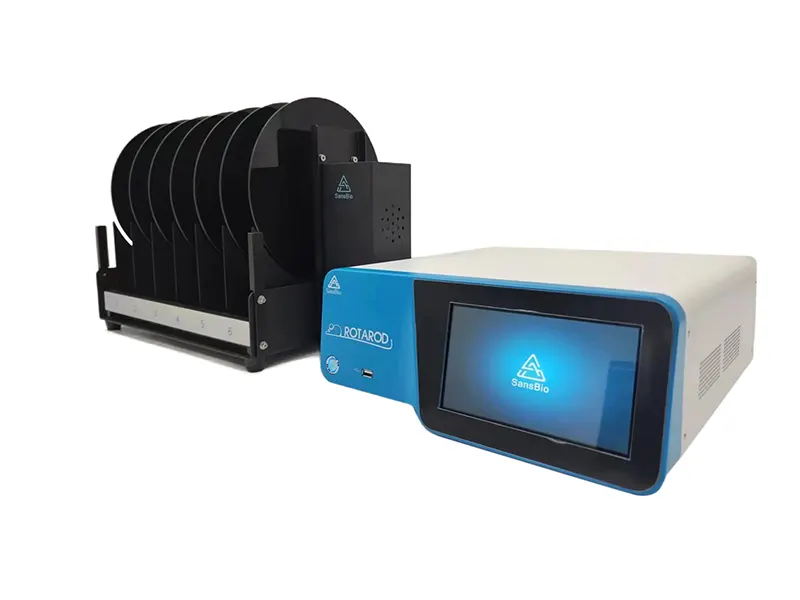
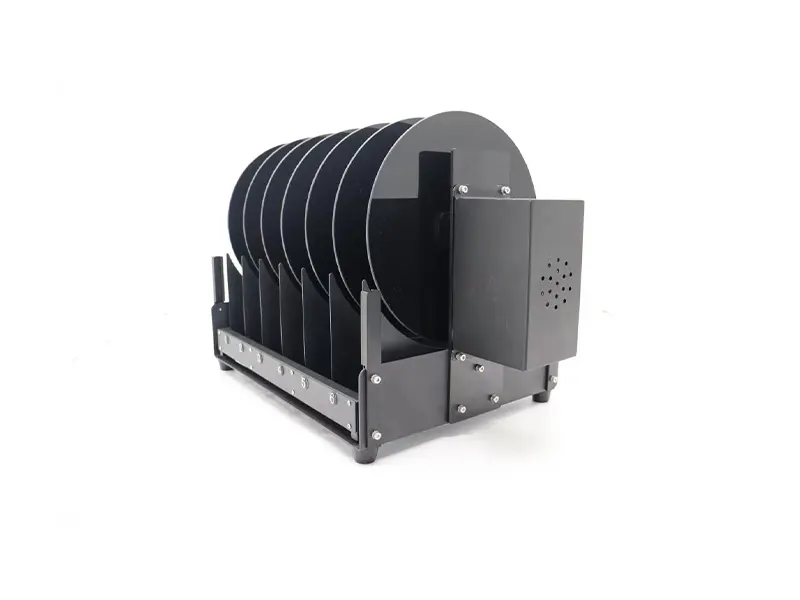
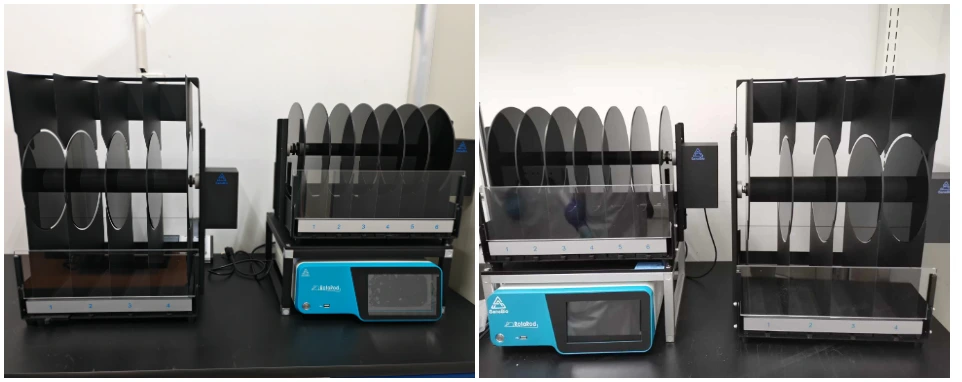
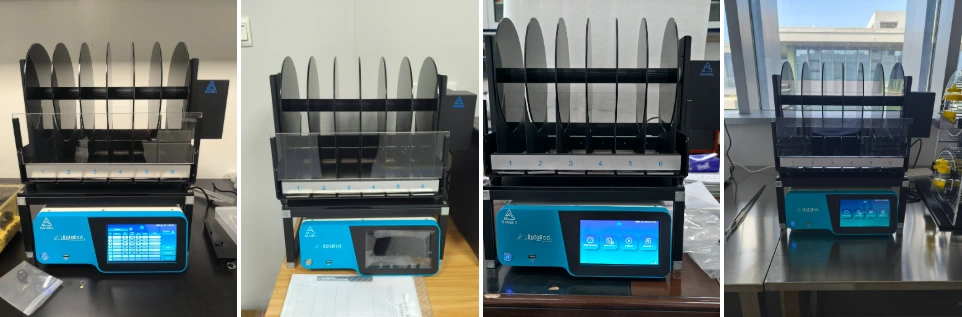
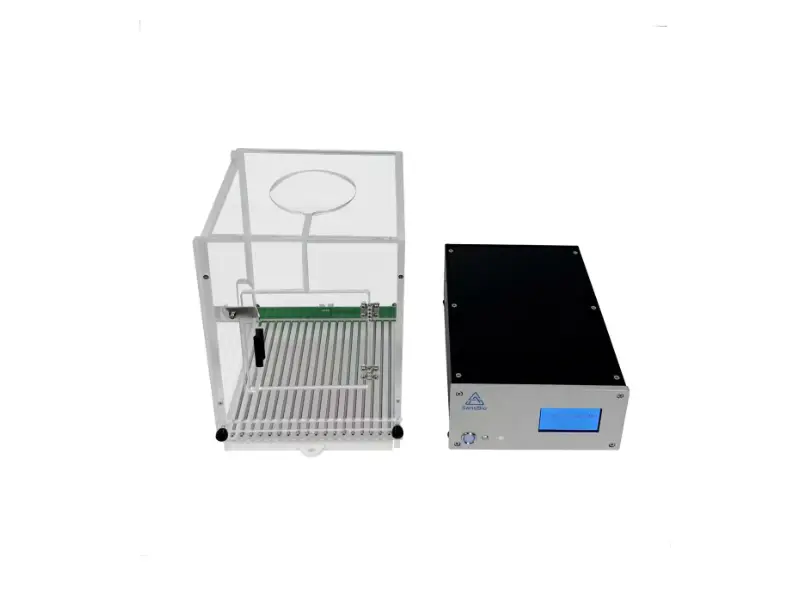
The BioMed rotarod apparatus provides automated assessment of motor coordination, balance, and motor performance in rodents. Designed for laboratory research, this device supports  mouse rotarod tests and rat rotarod tests, with automated recording of latency to fall, revolution count, drop speed, acceleration, and distance.

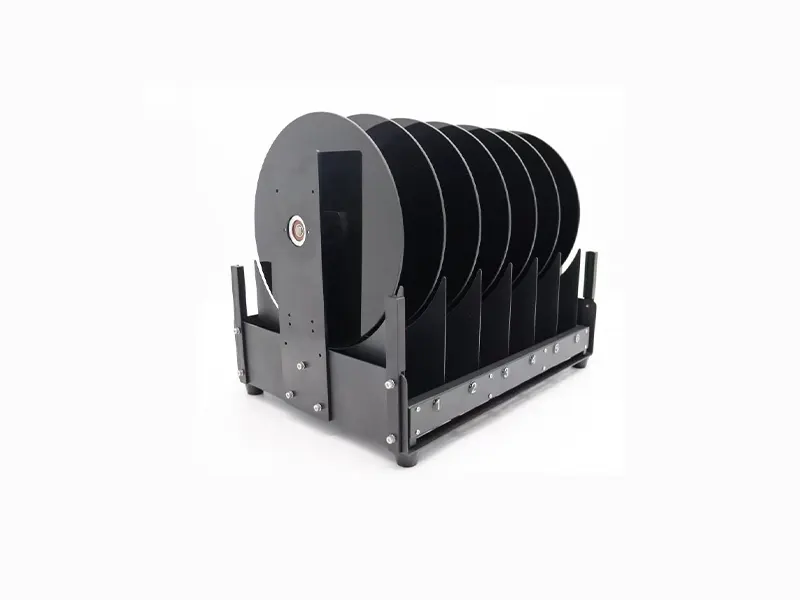
Applicable: 6 Mice or 4 Rats can be tested by using the same control unit.

Overview

The rotarod test evaluates motor coordination, balance, and motor performance in rodents as they maintain their position on an elevated rotating rod.

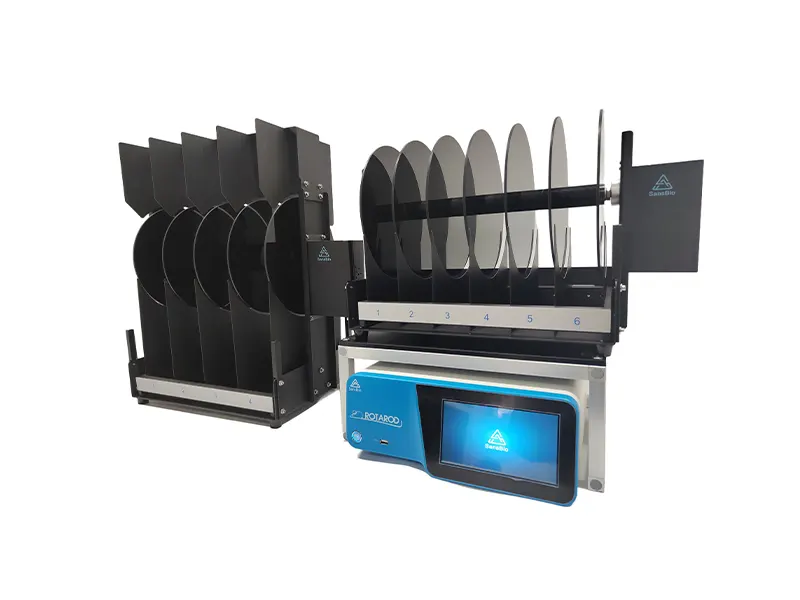
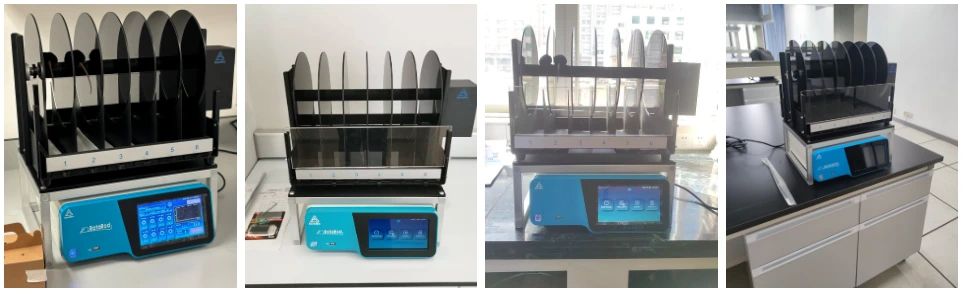
Our modular rotarod apparatus transitions seamlessly between a rotarod for mice and a rotarod for rats simply by swapping the frame assembly. It supports constant speed, uniform acceleration, rocking motion, and custom multi-stage ramps.

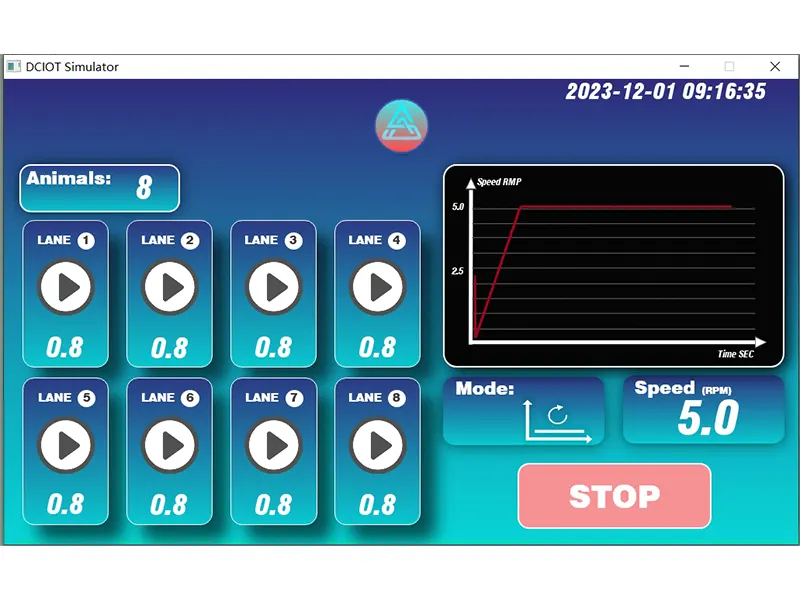
When a subject falls, built-in sensors automatically record precise latency to fall, revolution count, and fall speed. With 8 programmable protocol configurations,this system enables high-throughput, highly reproducible rotarod experiment workflows.

Features and Benefits

Features Benefits
Controller and RotaRod frame separately Cost-saving, switch flexible
7 ” capacitive IPS LCD touch screen, resolution 1024*600. Big touch screen to be very easy to get the experiment data and good sensitivity in touch.
Control unit and USB key saving No need to connect to PC.
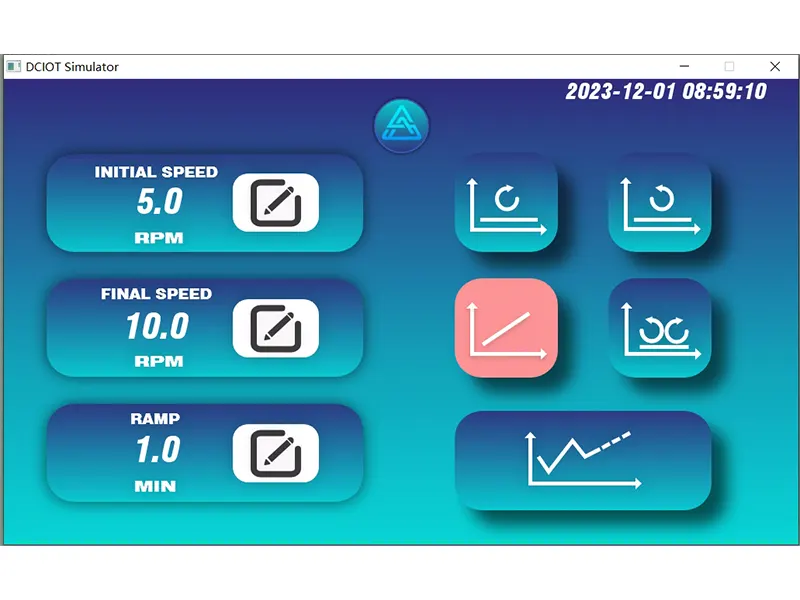
Constant, uniform acceleration, reverse ramp, custom ramp and rocking ADAPTS to almost all coordination behavior and motor function experiments.
Precision IR Sensor More accurate and sensitive for the detection.
8 protocol configurations can be set in the experiment. Can directly call the internal save experiment protocol, without setting up each experiment every time.
Speed range 0.05-100 RPMs, Step 0.1RPM Be applicable for higher intensity test and more accuracy with 0.1RPM resolution.
Alone mode Ensure the consistency of experimental data in each lane.
Automatic conversion of data into CSV files for the USB stick Possibility to open files in Excel
>2000 data save Large memory storage
Specification

Basic specification

Application 6 mice or 4 rats
Commands 7 ” capacitive IPS LCD touch screen
Power 100-240 VAC, 50-60Hz
Sound Level < 60 dB (A)

Operation

Mode Constant, uniform acceleration, reverse ramp, rocking
Speed Speed range 0.05-100 RPMs, Step 0.1RPM
Start/Stop From the touch screen, TTL signal control
Detection Precision IR Sensor
Revolution Clockwise, anti clockwise
Test Time 1~9999min
Protocol 8 protocol configurations can be set in the experiment.
Projects 8 projects to be saved 1~8 animals, includes animal ID, age, weight, gender and note.
Initial Test 4rpm is initiated in start on to avoid the reverse and help the animal well get in the experiment
Fall Time Threshold 0~100s
Output Latency, Initial speed, Final speed, ACC speed, Drop speed, Revolution, Ramp,
Rotating mode.
Data Export By USB flash drive
Data Storage > 2000 datas

RotaRod Size

Mice (SA102M) Rats (SA102R) Large Rats (SA102L)
Lanes 6 lanes 4 lanes 3 lanes
Rod Diameter  30mm 60mm 90mm
Rod Width

56mm

86mm

120mm
Fall Height

20mm

30mm

30mm
Size

51×28×35cm    (L x W x H)

51×28×57cm                   (L x W x H)

51×28×57cm                                 (L x W x H)
Weight 11kg 14kg 14kg
Controller Size 27×30×13cm (L x W x H)  
Controller Weight 6kg  
Power 60W  
FAQ

Q: Is this rotarod apparatus suitable for both mice and rats?
A: Yes. Our dual-species rotarod apparatus supports seamless testing for both mice and rats. By swapping the interchangeable drum assembly and selecting the corresponding species mode on the touchscreen, researchers can quickly transition between a mouse rotarod and a rat rotarod. No recalibration of experimental parameters is required when switching between the mouse and rat configurations.

Q: What experimental modes are supported during a rotarod performance test?
The system features fully programmable motion profiles for any rotarod performance test, including:
•  Constant speed, uniform acceleration, and deceleration modes
•  Multi-stage ramps and complex mixed modes
•  Clockwise, counter-clockwise, and rocking motion
These customizable settings allow you to tailor any rotarod test for rats or mice to evaluate motor learning, balance, and fatigue.

Q: Can the rotarod be integrated with other preclinical research devices?
A: Yes. The rotarod system can be customized to synchronize with third-party equipment, including behavioral video tracking software, optogenetics/chemogenetics setups, and metabolic cage systems. Data from every rotarod experiment exports via USB in CSV format for streamlined statistical analysis. For custom integration options, feel free to contact our technical team.

Q: How user-friendly is the system for executing a mouse rotarod test?
A: Operating the mouse rotarod setup is intuitive for researchers of all skill levels. The 7-inch HD touchscreen interface allows you to configure and launch a mouse rotarod
test in just a few taps without requiring an external PC or complex parameter reconfiguration.

Q: Is trial data traceable for laboratory quality control during a rotarod test?
A: Yes. The internal memory stores more than 2,000 test records, including latency to fall, speed at fall, revolution count, acceleration, and animal IDs. This supports traceable data review and laboratory quality-control workflows.

Q: Is this RotaRod easy to operate for beginners?
A: Yes. The SA102Pro RotaRod features an intuitive control interface. Switching between mouse and rat mode requires only replacing the rod chamber and selecting the corresponding species mode on the touchscreen. No complex parameter reconfiguration is needed, making it user-friendly for new laboratory personnel.

Reference
Selected research references related to RotaRod applications in motor coordination, motor performance, neurological research, and rodent behavior studies.
Elimination of senescent cells by ß-galactosidase-targeted prodrug attenuates inflammation and restores physical function in aged mice

https://www.nature.com/articles/s41422-020-0314-9 

Age-dependent alterations in key components of the nigrostriatal dopaminergic system and distinct motor phenotypes

https://www.nature.com/articles/s41401-021-00713-5

Ischemia-induced cleavage of OPA1 at S1 site aggravates mitochondrial fragmentation and reperfusion injury in neurons

https://www.nature.com/articles/s41419-022-04782-0 

Downregulation of Nrp1 transcription promotes blood–brain barrier disruption following experimental cerebral ischemia–reperfusion

https://www.sciencedirect.com/science/article/abs/pii/S0304394023005128 

Indoor VOCs exposure induced Parkinson-like behaviors through autophagy dysfunction and NLRP3 inflammasome-mediated neuroinflammation

https://www.sciencedirect.com/science/article/abs/pii/S0304389422016119

Melatonin MT1 receptors regulate the Sirt1/Nrf2/Ho-1/Gpx4 pathway to prevent α-synuclein-induced ferroptosis in Parkinson’s disease

Dysfunction of Akt/FoxO3a/Atg7 regulatory loop magnifies obesity-regulated muscular mass decline

LRRK2 G2019S promotes astrocytic inflammation induced by oligomeric a-synuclein through NF-kB pathway

6-Gingerol Alleviates Neonatal Hypoxic-Ischemic Cerebral and White Matter Injury and Contributes to Functional Recovery

Celastrol protected the MPTP-injected mice Parkinson’s disease model via redox regulation of CDC37

mouse rotarod

rotarodRotarod mouse

How to Order
Item No. Product Description
SA102 RotaRod for both Rats and Mice
SA102M Mouse RotaRod (6 lanes)
SA102R Rat RotaRod (4 lanes)

Start Now

Quality First, Cost Effective, Reputation Above All.

form-background

    Message *