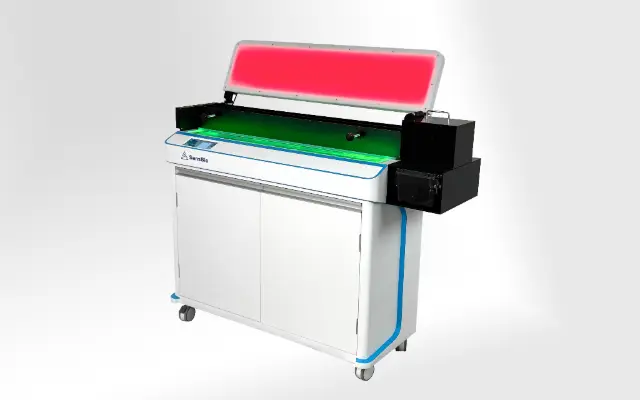
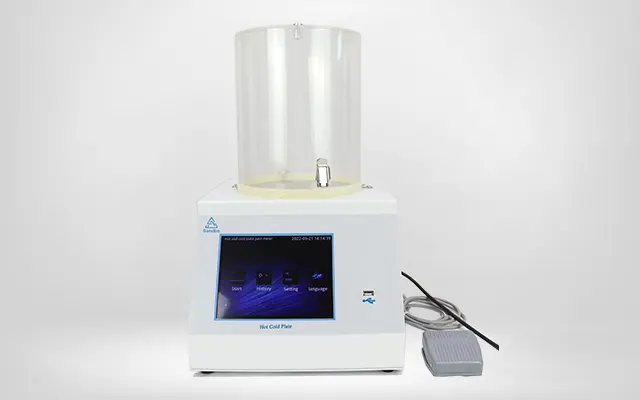
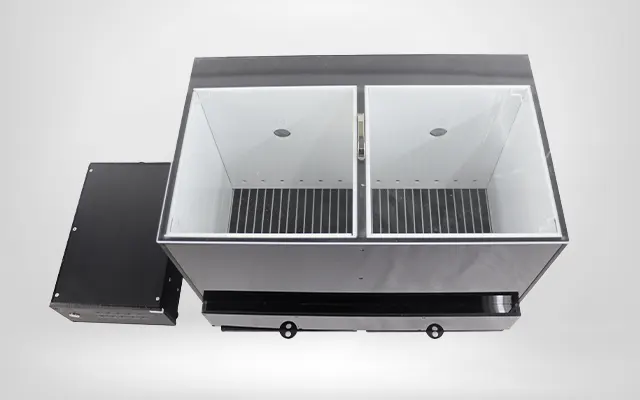
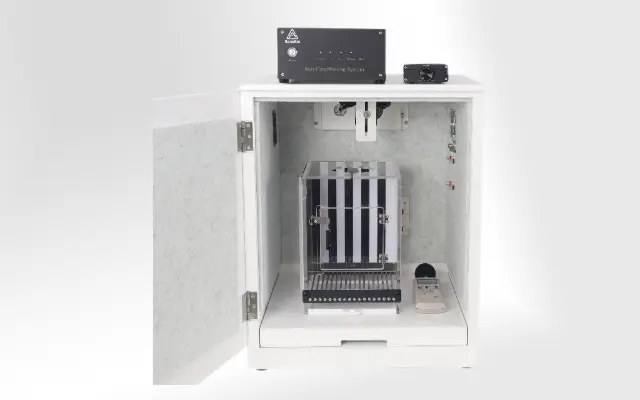
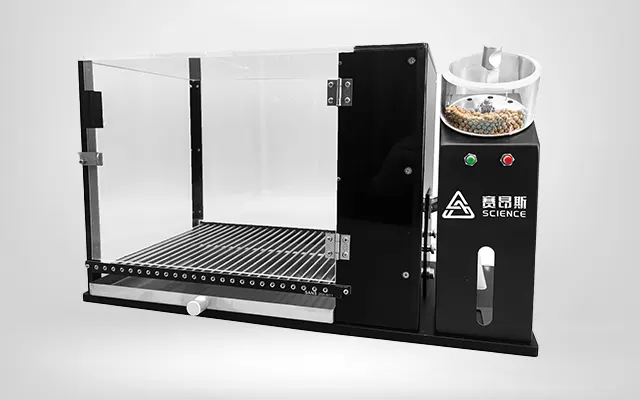
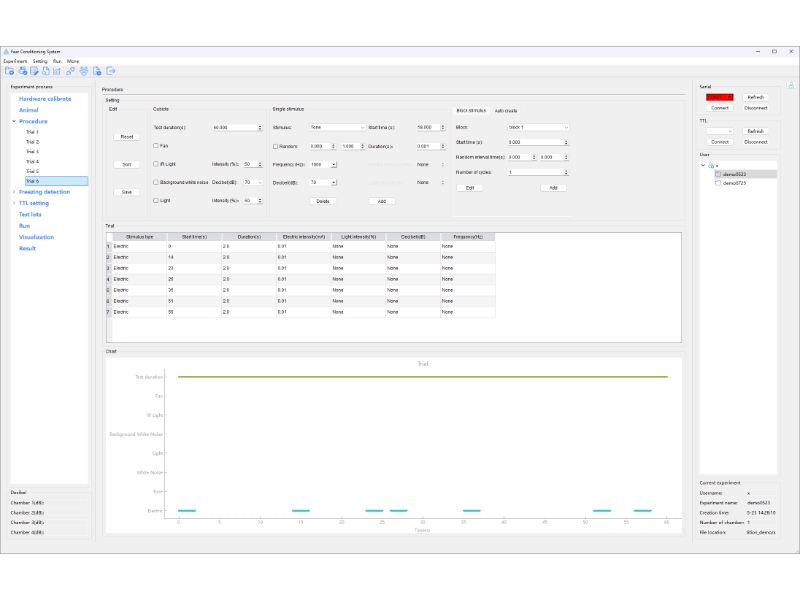
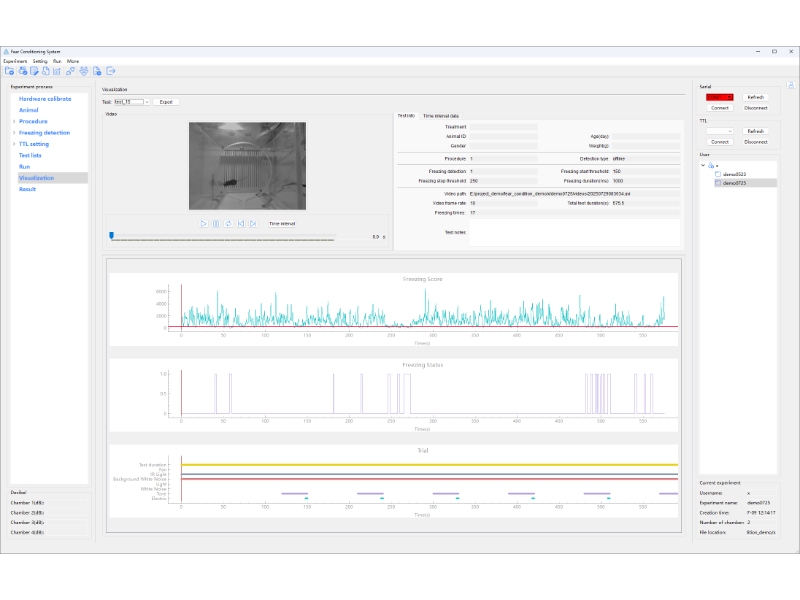
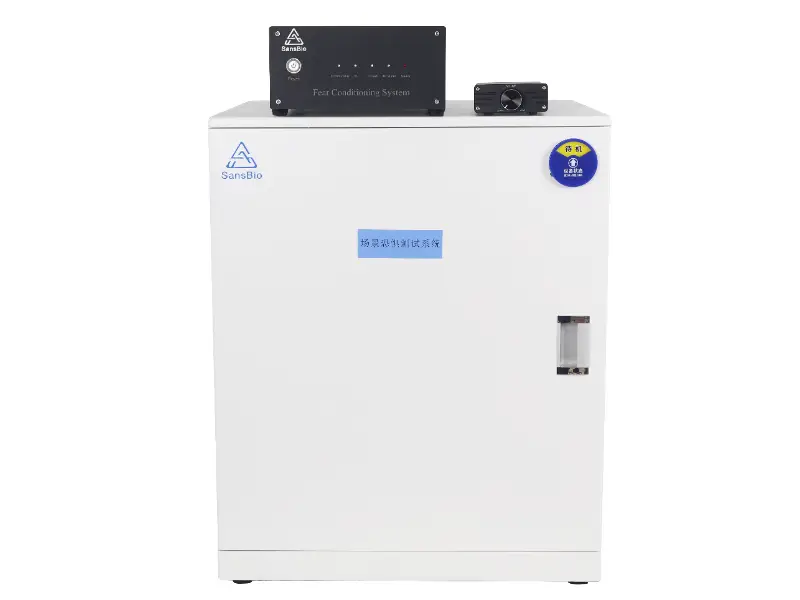
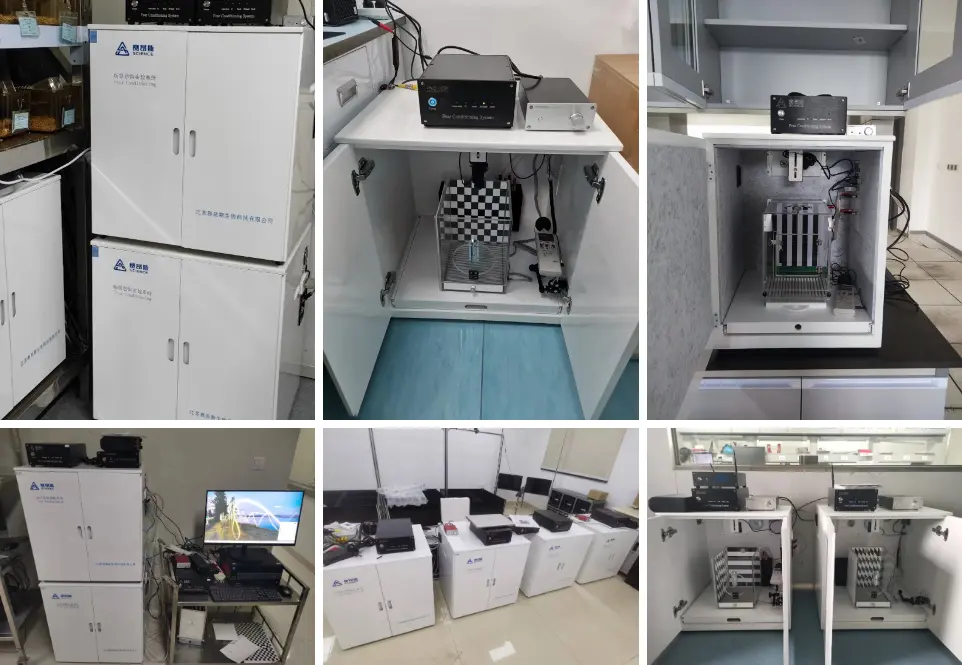
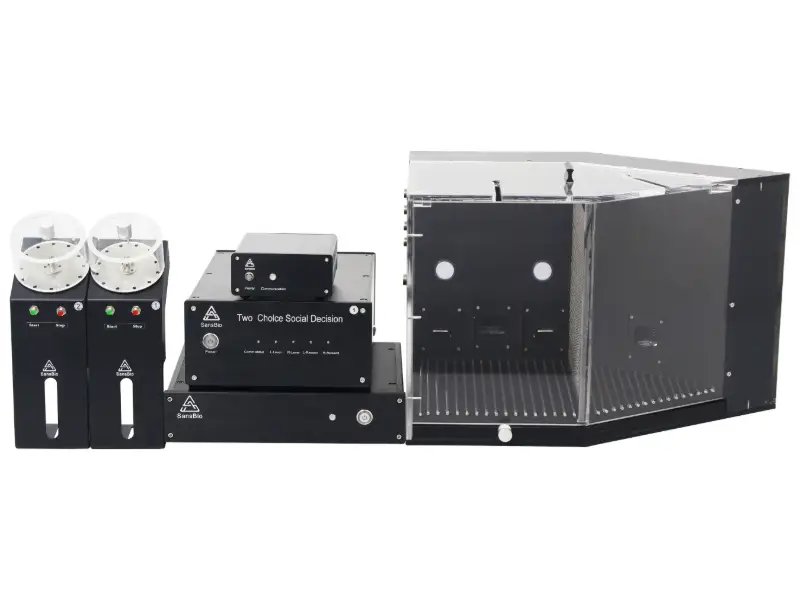
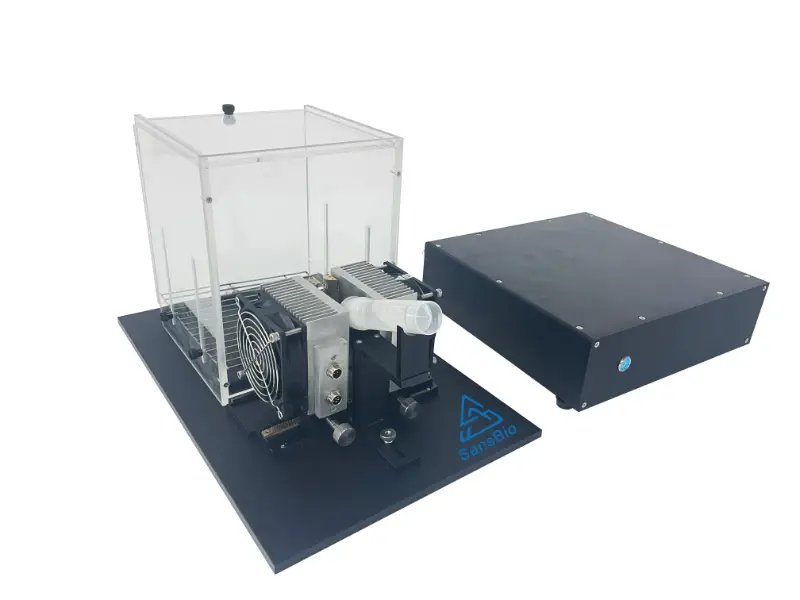
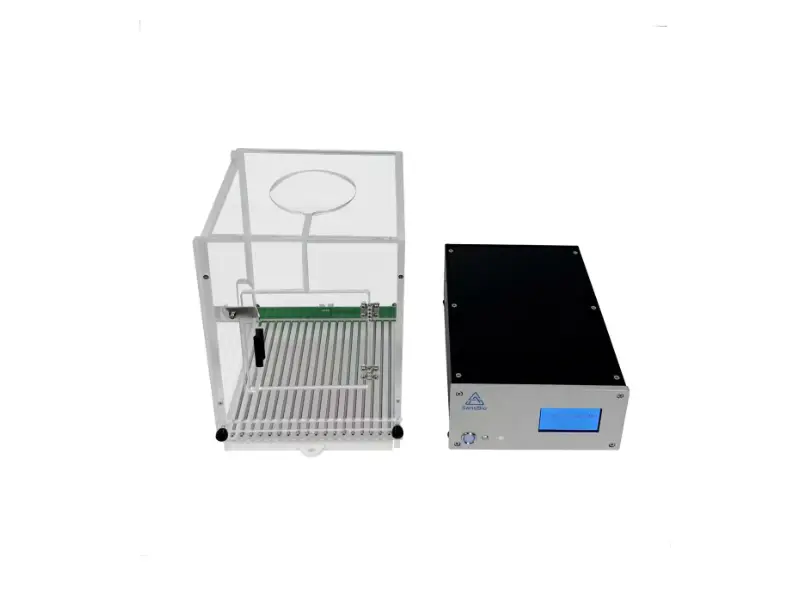
Fear Conditioning is used to study environment-related conditioned fear in rodents, to access associative learning. It exploits the Pavlovian association between an unpleasant unconditioned stimulus (shock) to a conditioned neutral stimulus (sound cue). Rodents show immobility in fear condition, in which the animal tends to remain stationary in a defensive posture. Antidepressants and anti-central stimulants can significantly reduce the duration of the immobile state.
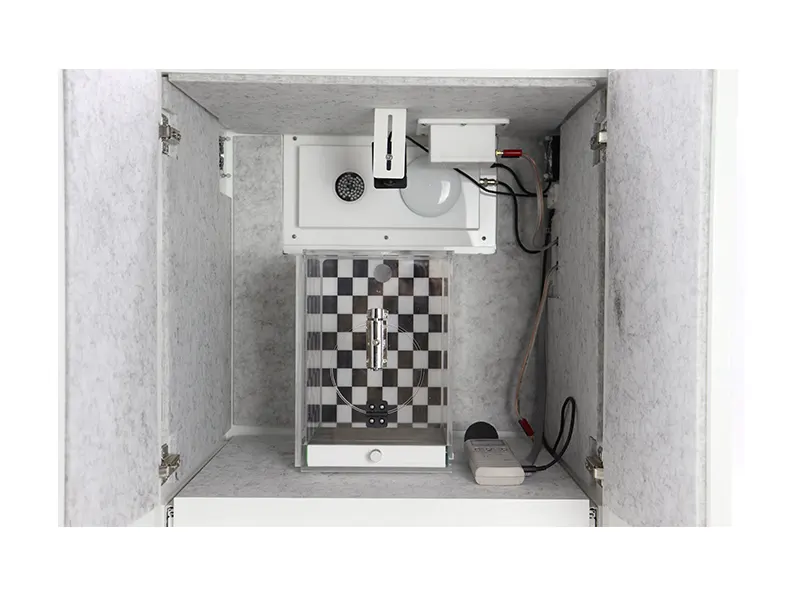
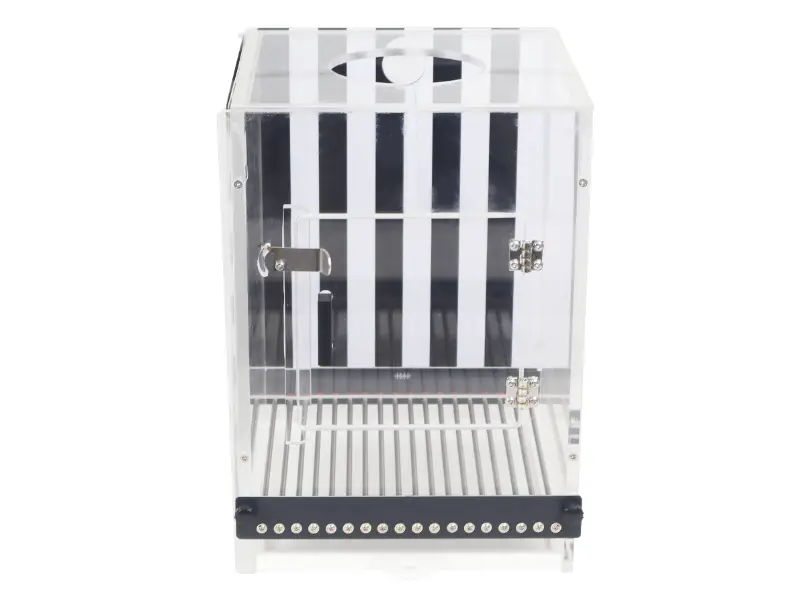
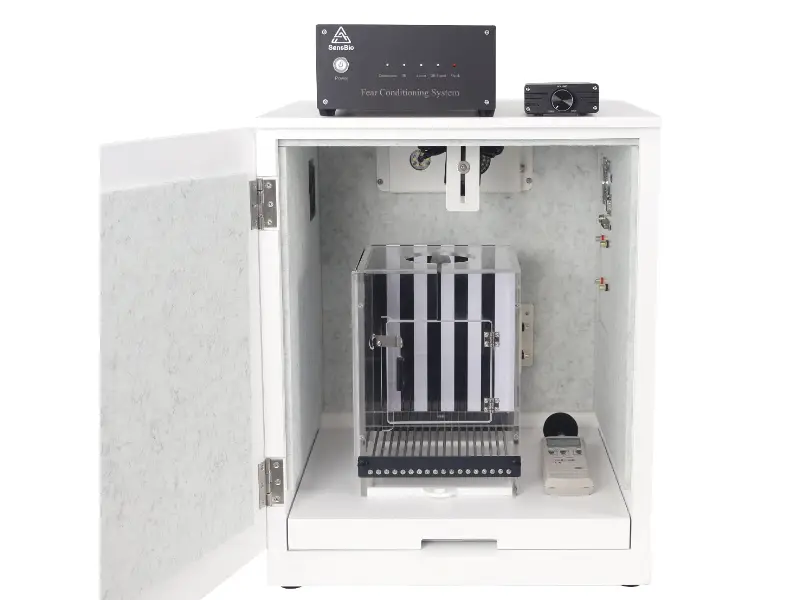
Fear Conditioning is used to study environment-related conditioned fear in rodents, to access associative learning. Our The contextual and cued fear conditioning test is a gold-standard behavioral paradigm for evaluating associative fear learning and memory in rodents. Our Fear Conditioning System comes with an animal behavior tracking software, controller, HD camera, isolation chamber with speakers, light and fan, dB detector, dual IR/visible light generation, Contextual cage with easy to replace acrylic plates, and smooth shock delivery.
Procedure:
The fear conditioning paradigm utilizes an unconditioned stimulus (US) (e.g., electrical foot shock) paired with a neutral conditioned stimulus (CS) (e.g., tone, light, or specific context).
1. Conditioning Phase
Animals are placed in an enclosure and exposed to 1–5 CS-US pairings. For example: A tone (CS) co-occurs with a mild foot shock (US) within a defined context.
2. Memory Retention Test
After a variable interval (typically >24 hours for long-term memory assessment), animals are placed back in the original context where they receive the CS-US exposure during the training session.
If the test animals acquire an association of the US with a context (the box enclosure), they will show freezing responses to the context in the absence of CS co-exposure. Freezing is a species-specific response to fear, which has been defined as complete immobility with the exception of breathing.
Application:
• Duration of the experiment • First Freezing duration
• Number of Freezing • Longest freezing start time
• Duration of Freezing • Longest freezing duration
• Percentage of freezing time • Shortest freezing start time
• First Freezing time • Shortest freezing duration
| Features | Benefits |
| Compatible with both mice and rats | Save research budget |
| Supports multiple channels (expandable up to 16) | Seamless and easy expansion, from 1 to 4 or more units for high throughput. |
| High-definition video capture and analysis | Accurately detect the freezing state of animals, avoiding false freezing data caused by the slow horizontal movement of the head and the unchanged foot pressure value. |
| Video, animal condition, score, stimulation state are all displayed simultaneously |
Precise and clear visualization. |
| Multiple stimulation modes |
Pure tone, white noise, light, and electrical foot shock. |
| Interchangeable environmental context plates | Easy to mount on the walls with different patterns for various setups. |
| Pre-programmed experimental protocols with randomized intervals | Simplify experimental operations |
| Real-time analysis & preview, with automatic data & video saving. | |
| Raw data is exportable for further analysis. | |
|
Customizable configurations & advanced analysis tools. |
|
| TTL output for synchronization with external devices (e.g., optogenetics, fiber photometry) and event marking. | |
| Modular slave units | Each operates as an independent single-channel system, eliminating cross-channel interference. |
| Built-in sound calibration | Ensures data accuracy |
| Removable Mouse/Rat cages set up | Easy-to-clean, hassle-free maintenance |
Q. What is a Contextual Fear Conditioning System and how does it work?
Fear Conditioning System is a behavioral neuroscience equipment designed to study associative learning and memory in rodents. The system pairs a neutral conditioned stimulus (CS), such as a tone or light cue, with an aversive unconditioned stimulus (US), typically a mild foot shock. After training, animals exhibit freezing behavior when exposed to the same cue or context, allowing researchers to evaluate fear memory formation, retention, and retrieval. Fear conditioning is considered one of the gold-standard methods for studying learning and memory in rodents.
Q. What is the working principle for SA218 Fear Conditioning System? And what about its advantage?
Our SA218 adopts video tracking principle in detecting the animal freezing status, which adopts infrared video camera with a maximum resolution of 1920×1080 and a maximum frame rate of 30 frames per second; animal freezing behavior is analyzed via software. This principle avoids pseudo-freezing data caused by slow horizontal head movement without changes in plantar pressure values.
Q. What behavioral parameters can be measured by our SA218 Fear Conditioning System?
To provide comprehensive assessment of fear learning, memory consolidation, and extinction processes, our Fear Conditioning System automatically records multiple fear-related behavioral endpoints, including:
• Total freezing duration
• Percentage of freezing time
• Number of freezing episodes
• First freezing duration
• Longest freezing duration
• Freezing onset time
• Freezing bout frequency
• Experiment duration
Q. Can the Fear Conditioning System be used for PTSD and anxiety disorder research?
Yes. Fear Conditioning Systems are widely used as PTSD research equipment and anxiety research tools. Researchers can evaluate fear acquisition, fear generalization, fear extinction, and emotional memory processes that closely model pathological fear responses observed in human anxiety disorders and post-traumatic stress disorder.
Q. How does automated freezing analysis improve research accuracy?
Traditional manual scoring of freezing behavior can be time-consuming and subject to inter-observer variability. Automated Freezing Analysis Software provides objective, consistent, and reproducible measurements by continuously monitoring animal movement through high-definition video tracking. This significantly improves data quality, especially in large-scale behavioral neuroscience studies.
Q. What types of stimuli can be delivered during contextual fear conditioning experiments?
The flexible stimulus configuration allows researchers to design contextual, auditory, visual, trace, or delay fear conditioning protocols according to experimental requirements. It supports multiple conditioned and unconditioned stimuli, including:
• Pure tone auditory cues
• White noise stimuli
• Visible light cues
• Infrared light cues
• Electrical foot shocks
Q. Can the contextual fear conditioning be integrated with optogenetics, calcium imaging, or electrophysiology studies?
Yes. our SA218 Fear Conditioning System includes TTL output capabilities for synchronization with external neuroscience devices such as:
• Optogenetic stimulation
• Fiber photometry
• Calcium imaging
• EEG recording
• Electrophysiology acquisition
This enables simultaneous investigation of neural activity and fear-related behaviors, making it a powerful tool for modern translational neuroscience research.
Q. Why are interchangeable contextual plates important in fear conditioning experiments?
Interchangeable contextual plates allow researchers to create distinct environmental contexts using different visual patterns and chamber configurations. This feature is essential for contextual fear conditioning, context discrimination studies, fear generalization experiments, and memory retrieval assessments. Manipulating environmental cues helps separate contextual memory from cue-dependent memory processes.
Q. How does fear conditioning contribute to learning and memory research?
Fear conditioning is a powerful associative learning test system that enables researchers to examine memory acquisition, consolidation, retrieval, reconsolidation, and extinction. Because the underlying neural circuits involve the hippocampus, amygdala, and prefrontal cortex, fear conditioning remains one of the most widely used paradigms in cognitive neuroscience and memory research.
Clinical-grade human dental pulp stem cells improve adult hippocampal neural regeneration and cognitive deficits in Alzheimer’s disease
Theranostics 2025
The synergistic effect of curcumin and mitoquinol mesylate on cognitive impairment and the neuropathology of Alzheimer’s disease
https://www.sciencedirect.com/science/article/abs/pii/S0006899324002130
Age-related LRRK2 G2019S Mutation Impacts Microglial Dopaminergic Fiber Refinement and Synaptic Pruning Involved in Abnormal Behaviors
https://link.springer.com/article/10.1007/s12031-021-01896-6
Comparative Proteomic Analysis Reveals the Effect of Selenoprotein W Deficiency on Oligodendrogenesis in Fear Memory
https://www.mdpi.com/2076-3921/11/5/999
Periodontitis-induced neuroinflammation impacts dendritic spine immaturity and cognitive impairment
Periodontitis‐induced neuroinflammation impacts dendritic spine immaturity and cognitive impairment – Xie – 2024 – Oral Diseases – Wiley Online Library
| Item No. | Product |
| SA218-M | Fear Conditioning System for Mouse |
| SA218-R | Fear Conditioning System for Rat |
Quality First, Cost Effective, Reputation Above All.
11th Floor, Xiangbin Building, No.18, West Free Trade Street, Shenzhen, Guangdong Province, China.