Home » Product » Two Choice Social Decision Making Task
Two Choice Social Decision Making Task
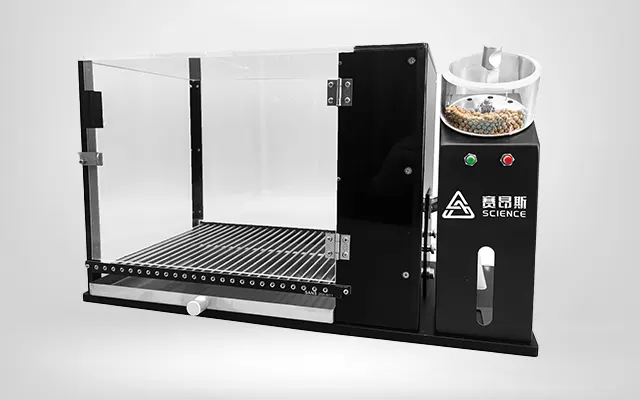
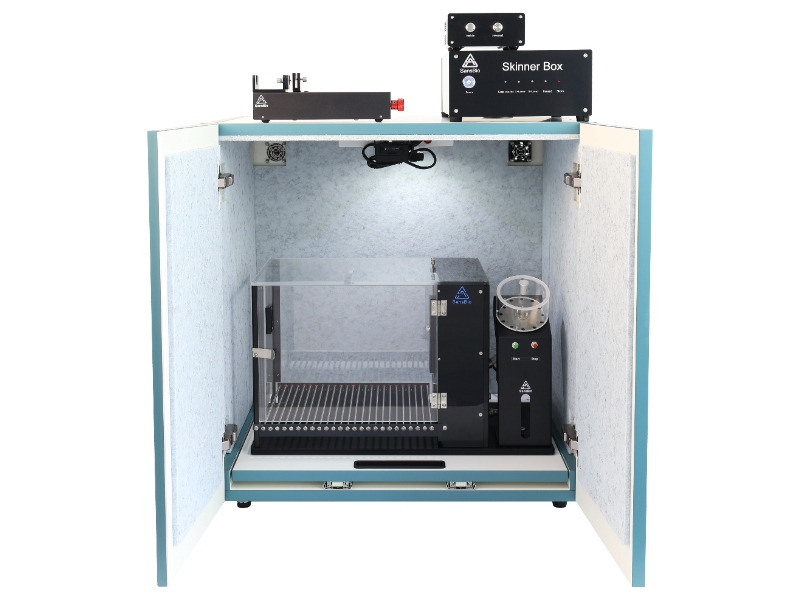
SA238 Two Choice Social Decision Making Task is an automated Animal Behavior Research Instrument designed for quantitative assessment of social decision-making behavior, social preference, prosocial behavior, and reward-based decision processes in rodents.
By allowing experimental animals to choose between different social consequences — such as receiving a reward only for themselves or providing rewards for both themselves and a social partner, our two choice decision making enables researchers to evaluate complex social behaviors, including self-interest, prosocial decision-making, social motivation, and social reward processing.
Social behavior plays an essential role in animal survival, communication, and adaptation. Understanding how animals evaluate social benefits, personal rewards, and interactions with other individuals provides important insights into the neural mechanisms underlying social cognition.
The Two Choice Social Decision Making Task is a rodent behavioral assay designed to investigate how animals make decisions when facing different social outcomes.
Unlike traditional social interaction tests that mainly evaluate contact time or preference, this task focuses on decision-making behavior under social reward conditions.
During the experiment, animals select between two options:
Self-benefit option: The animal receives a reward only for itself.
Self + social partner benefit option: The animal and another animal receive rewards together
By analyzing choice preference and behavioral responses, researchers can quantify:
Social preference
Prosocial behavior
Social motivation
Reward-related decision-making
Self versus social benefit evaluation
Application:
Social Behavior and Social Cognition Research
• Social preference behavior
• Social motivation
• Prosocial decision-making
• Social reward mechanisms
• Individual differences in social behavior
It can be used to study the neural basis of complex social behaviors and related brain circuits.
Neural Circuit and Brain Mechanism Studies
Social decision-making behaviors involve multiple brain regions and neural pathways
• Neural circuits involved in social cognition
• Reward pathways
• Decision-making mechanisms
• Behavioral phenotyping
Researchers can combine behavioral results with neuroscience techniques such as neural recording, imaging, or molecular analysis.
Psychiatric Disease Models and Drug Evaluation
• Autism spectrum disorder (ASD)
• Depression
• Schizophrenia
• Addiction-related behavioral changes
It can also be used to evaluate the effects of therapeutic compounds on social decision-making deficits during preclinical drug development.
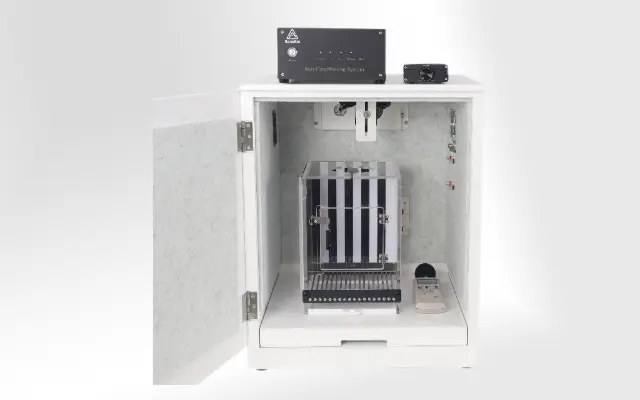
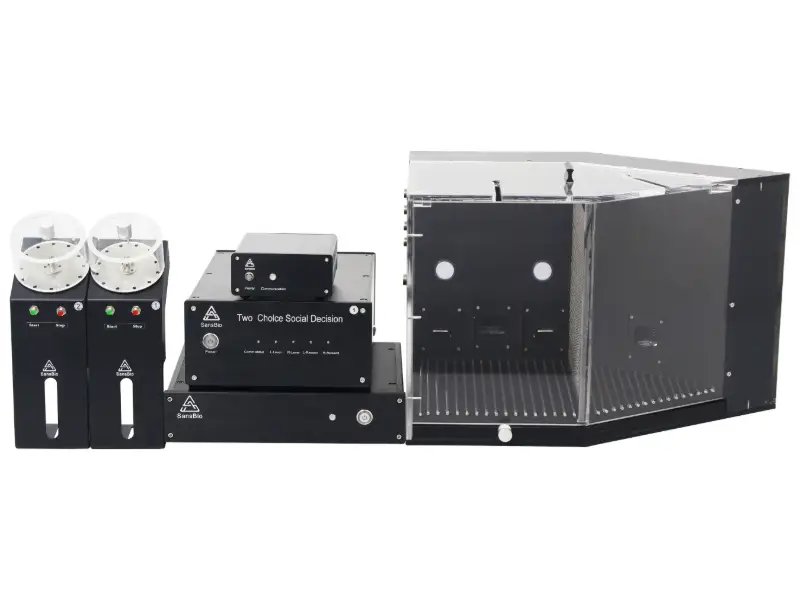
• User-friendly software with adjustable experimental protocols
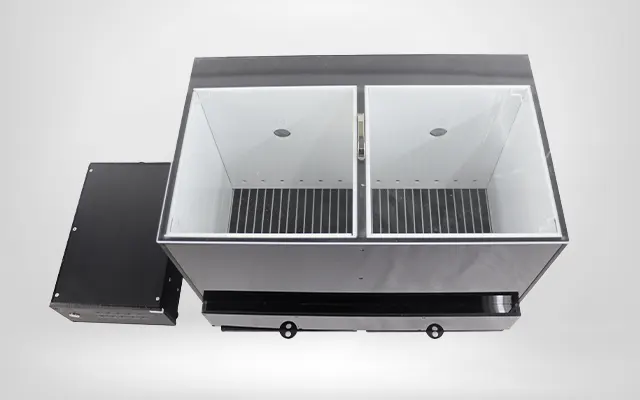
• Two-choice decision chamber for Rat and Mouse
• Pellet Dispenser
• Nose-poke or lever pressing module
Software
• Supports up to 8 channels simultaneously
• Flexible experimental protocol
• Automated event recording and data acquisition
• Real-time experimental monitoring
• Exportable data files (.csv format)
Quantitative Social Decision-Making Assessment
• Measures animal choices between self-benefit and social-benefit outcomes.
• Provides quantitative evaluation of social preference and prosocial behavior.
Automated Behavioral Data Collection
• Automatically records behavioral events and reward-related actions.
• Reduces manual recording errors and improves data consistency.
Flexible Experimental Protocol Design
• Supports customizable cues, reward conditions, and behavioral sequences.
• Allows researchers to configure different decision-making paradigms.
Multi-Channel Experimental Capability
• Supports simultaneous operation of up to 8 experimental chambers.
• Improves experimental efficiency for behavioral studies.
Standardized Reward Control
• Automated pellet delivery ensures consistent reward presentation.
• Supports fixed ratio (FR) and progressive ratio (PR) reward schedules.