Introduction: Why Exercise Motor Models Matter in Biomedical Research
Exercise is no longer just a lifestyle factor—it is a critical experimental variable in modern biomedical research. From metabolic disorders to musculoskeletal diseases, controlled physical activity models are essential for uncovering mechanisms of disease progression and therapeutic intervention.
Recent high-impact publications, including those in Nature Communications and Cell Metabolism, increasingly rely on standardized animal exercise platforms, such as the rodent treadmill, to ensure reproducibility and translational relevance.
The Growing Role of Rodent Treadmills in Motory Coordination Research
In preclinical studies, especially involving mice and rats, voluntary activity introduces variability. A treadmill for mice and rats enables:
• Precise control of speed, duration, and intensity
• Standardized exercise protocols across cohorts
• Integration with metabolic and behavioral assessments
This makes the animal exercise treadmill a cornerstone tool in:
• Metabolic disease research
• Aging and inflammation studies
• Neuroscience and cognitive function
• Cardiovascular and musculoskeletal research
How SANS Treadmill features in High-Impact Scientific Publications
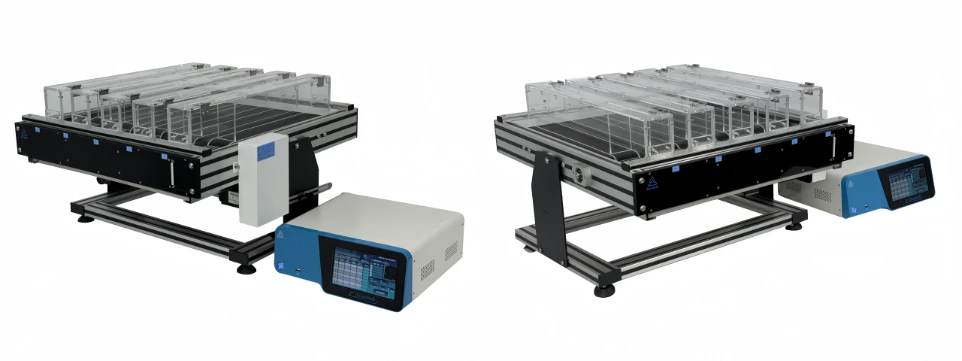
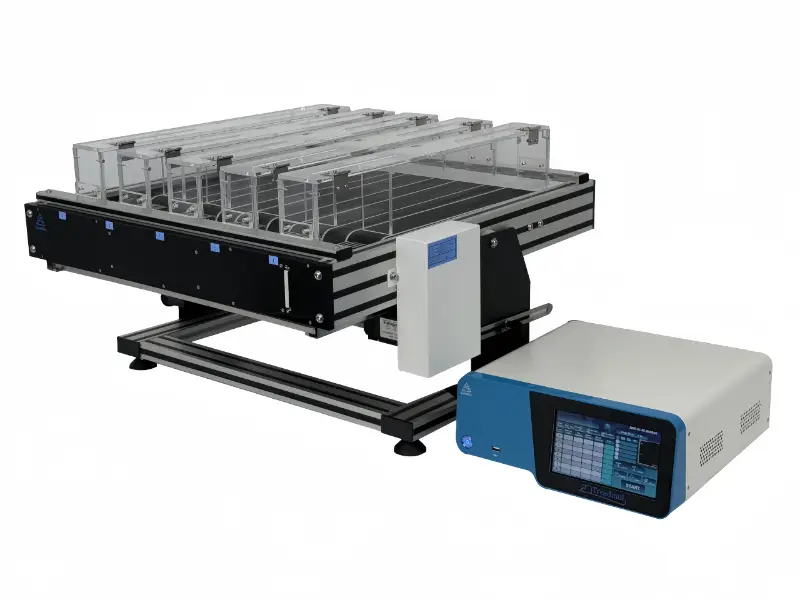
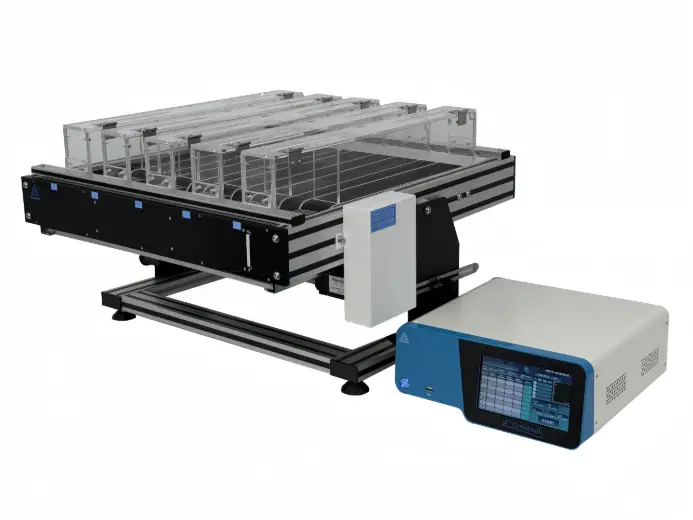
Our Treadmill SA101 has been cited in various high-impact paper published papers, like Nature Communications, Cell Metabolism, Cell Research etc.
• Cell Metabolism (IF 31.3)
→ Dietary timing enhances exercise via adipocyte signaling
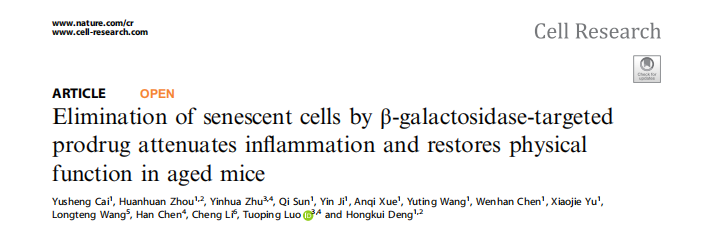
• Cell Research (IF 28.1)
→ Senescent cell clearance restores physical performance
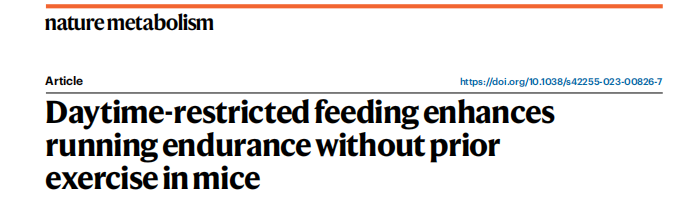
• Nature Metabolism (IF 20.8)
→ Time-restricted feeding improves endurance without prior training
• Nature Communications, IF 14.7
• → Classification of distinct tendinopathy subtypes for precision therapeutics
Journal of the American Heart Association
→ Exercise impacts cardiac function and inflammation
• Scientific Reports & Frontiers in Oncology
→ Exercise-driven molecular pathways in metabolic and cardiac health
Inside the Experiment: How SANS Rat and Mouse Treadmill Supports Research Workflows in animal physical fitness, endurance, exercise injury?
A typical rodent treadmill experiment using our treadmill follows a structured workflow:
- Animal Adaptation
• Gradual acclimation to the treadmill environment
• Reduced stress through controlled speed ramping
- Exercise Protocol Setting
• Customizable parameters:
o Speed (m/min)
o Incline (optional)
o Duration and intervals
• Suitable for endurance, fatigue, or HIIT-like paradigms
- Real-Time Monitoring
• Consistent running performance tracking
• Integration with physiological endpoints (e.g., metabolism, fatigue markers)
- Endpoint Analysis
• Tissue collection (muscle, heart, liver, tendon)
• Correlation with molecular assays (AMPK, inflammation markers, etc.)
Product Highlight: SANS Treadmill SA101
Treadmill Features
• One control unit to be applicable for both Rats and Mice.
• Equips with precision IR sensor detection and individual lane programming.
• Precise speed and time control for reproducible experiments
• Gentle stimulation options (e.g., air puff) to minimize stress
• Shock: 9 pole pulse electric shock, ensuring no blind zone, 0.1mA~10mA adjustable • 5 kinds of exhaustion mode (stop condition), Distance, Time & Shock
Research Advantages
• Enhances data consistency and reproducibility
• Enables long-term exercise intervention studies
• Five kinds of exhaustion mode to ensure self-protection mechanism.
• Supports multi-disciplinary applications (metabolism, neuroscience, aging)
Conclusion
As demonstrated in Nature Communications and other high-impact journals, our Treadmill SA101 is more than just a device—it is a critical enabler of modern biomedical discovery.
Combined with RotaRod for Mice and Rats, Grip Strength Meters, Gait Analysis System, Running Wheel, we integrated a solutions for studies of animal physical fitness, endurance, exercise injury, exercise pharmacology, exercise physiology, and pathology。