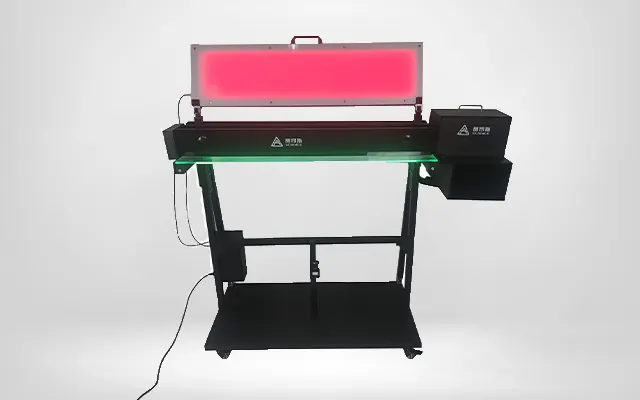
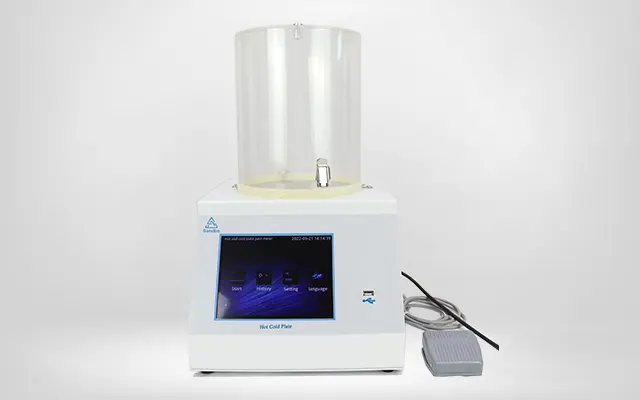
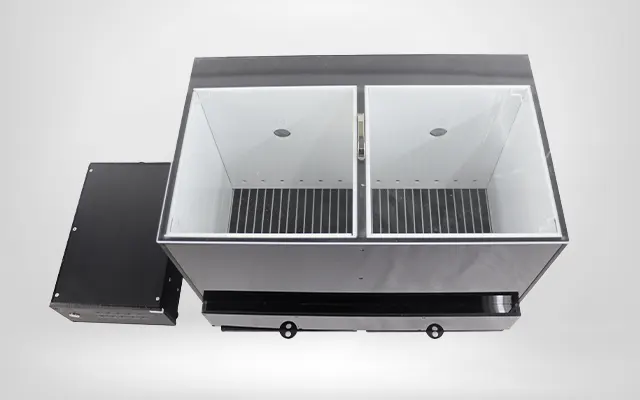
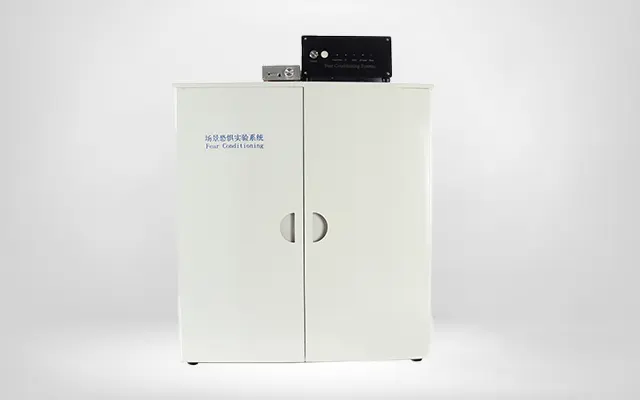
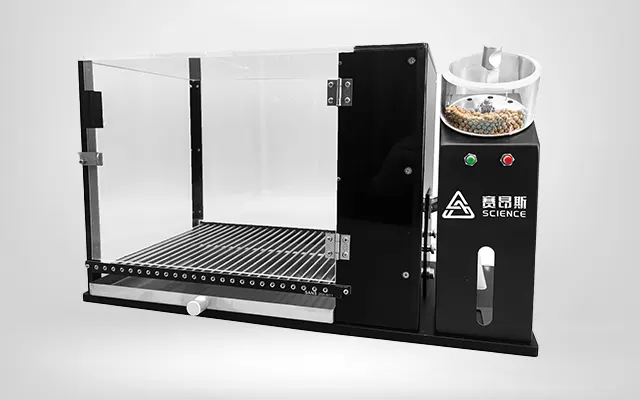
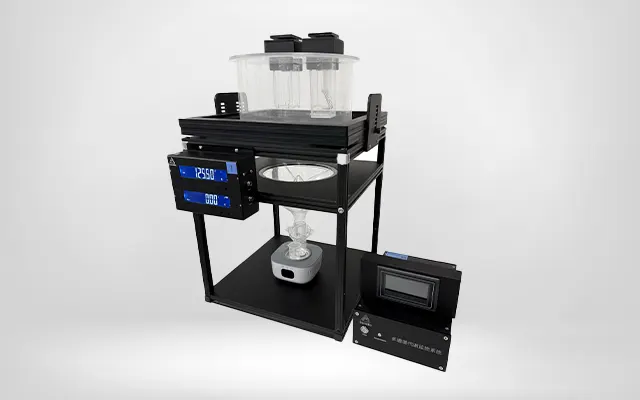
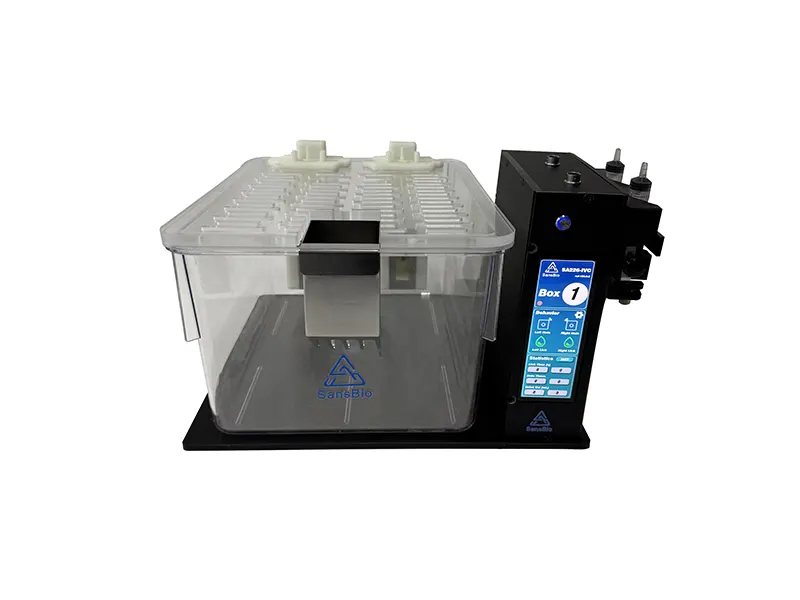
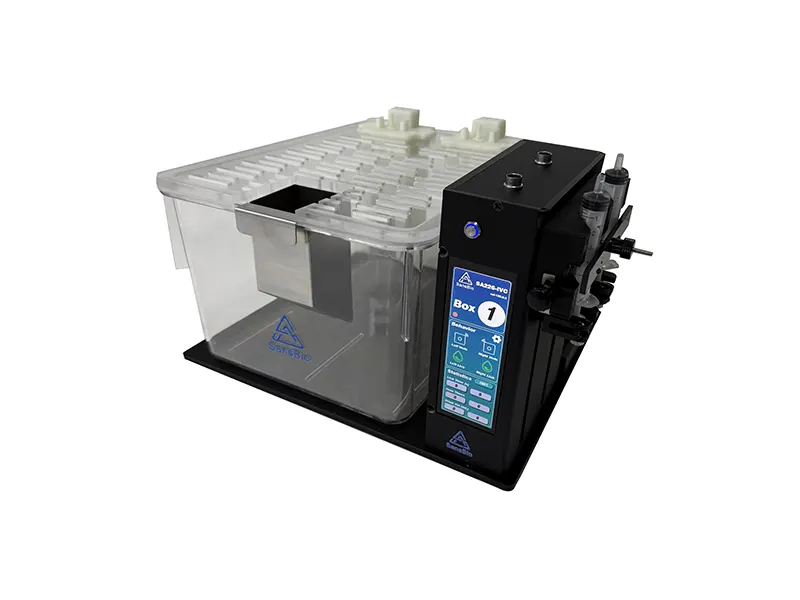
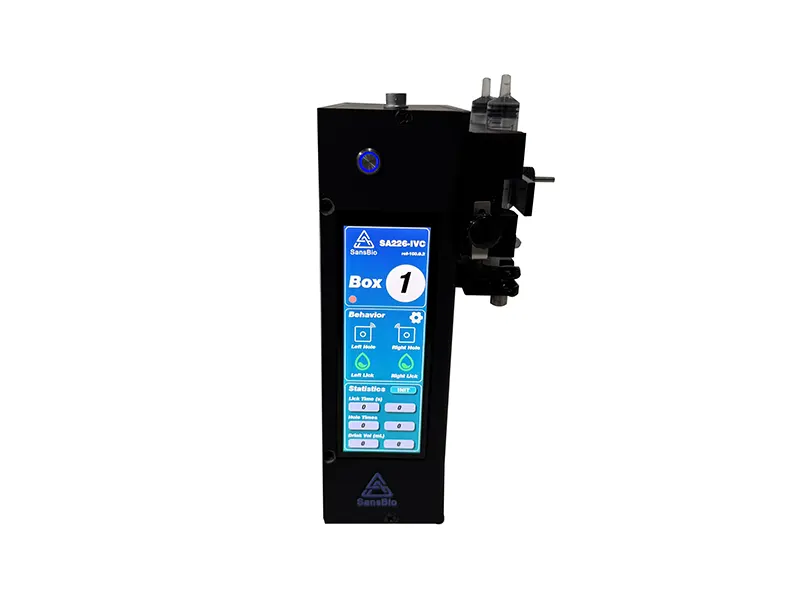
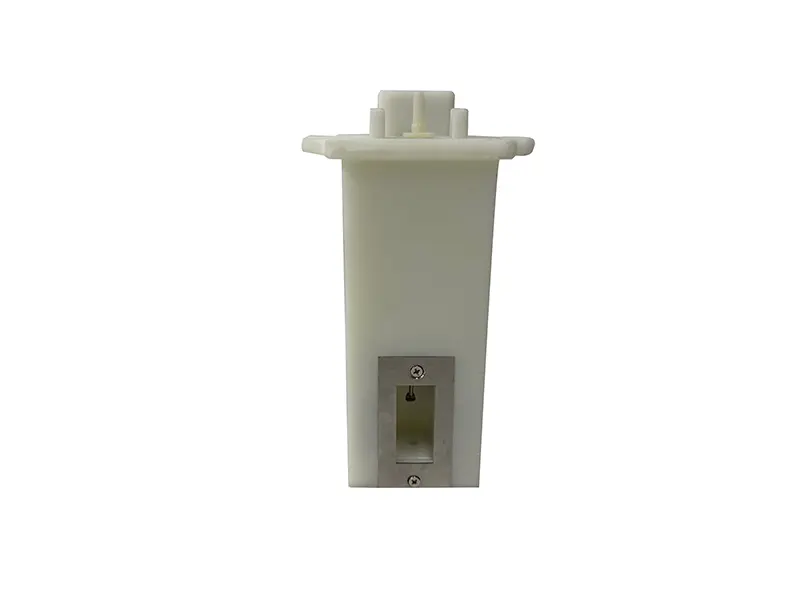
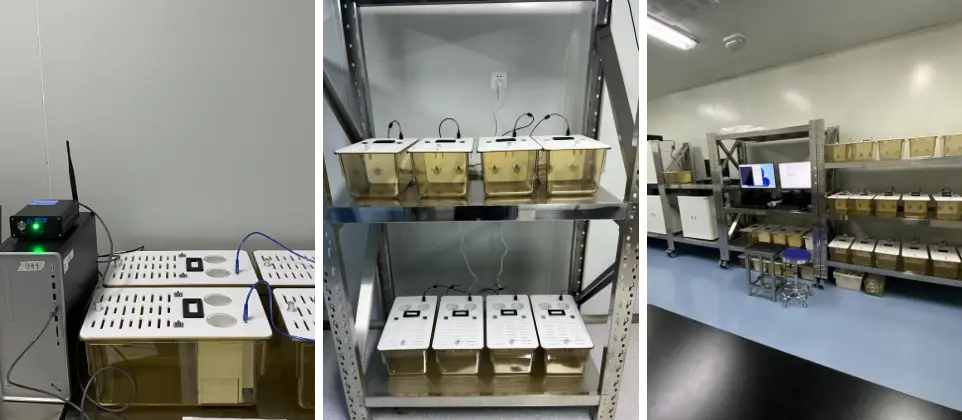
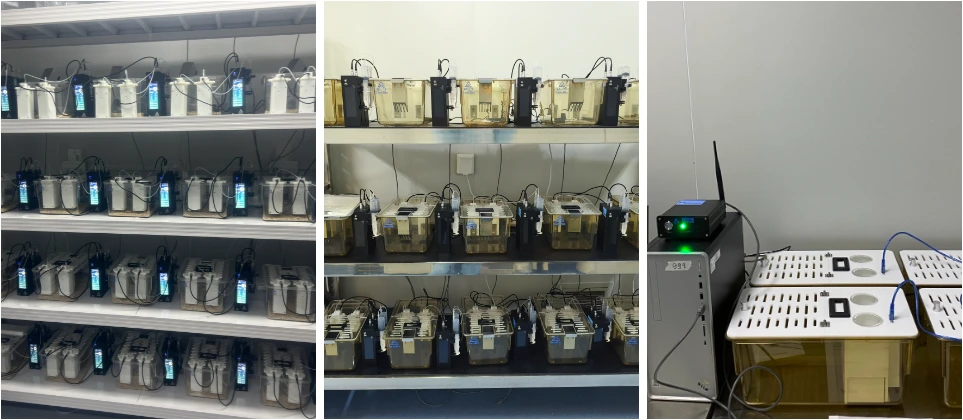
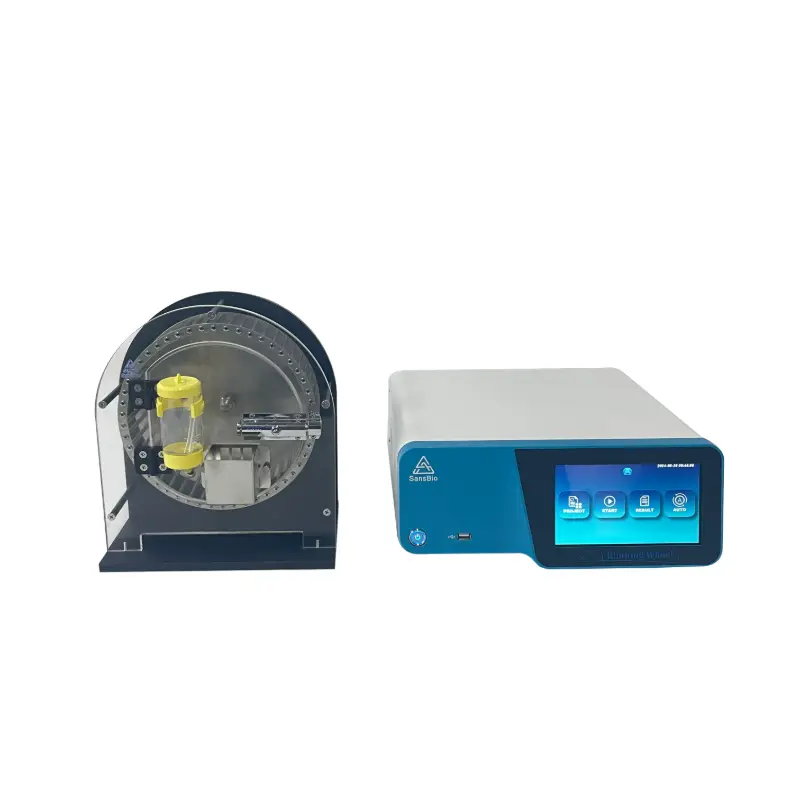
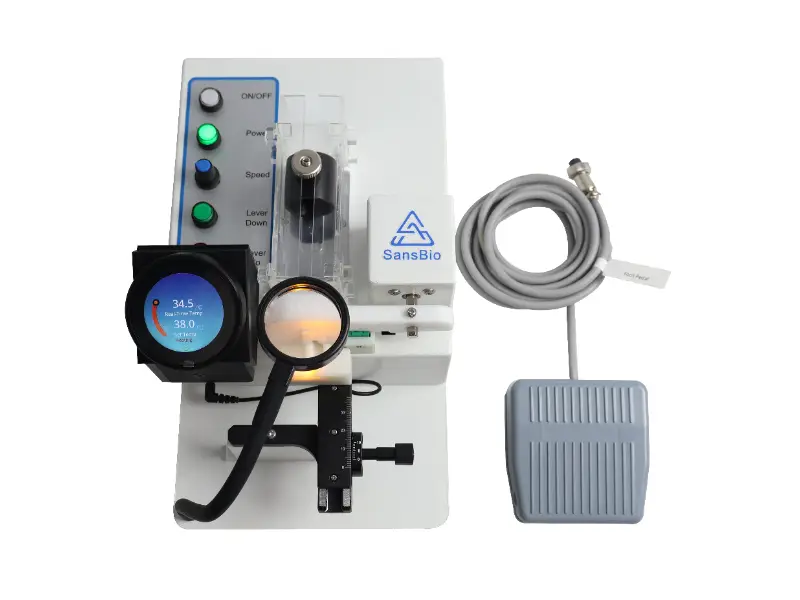
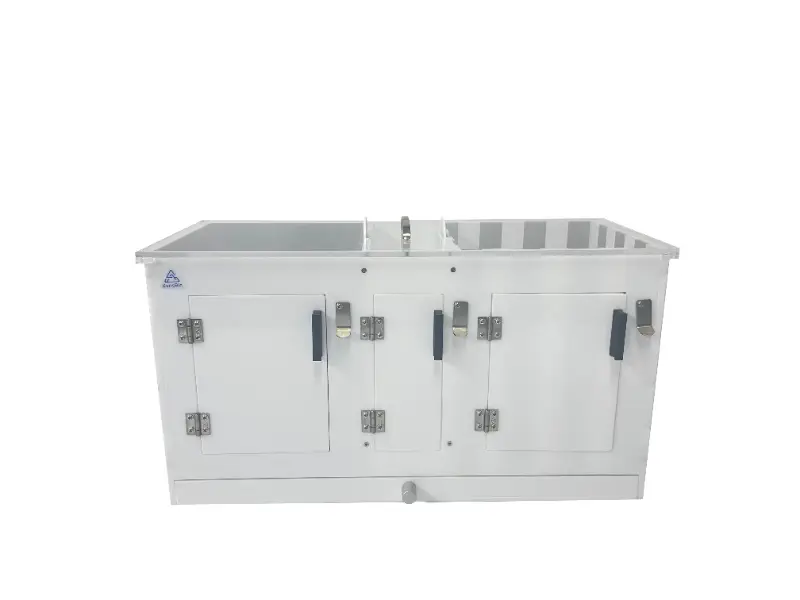
Sucrose Preference Test (SPT) system is a purpose-built behavioral neuroscience test apparatus designed to evaluate motivation, reward-seeking and depression-like (anhedonia) states in rodents. In the rodent sucrose preference test, animals normally prefer a palatable sucrose solution over water; reduction in sucrose preference is interpreted as an indicator of anhedonia in depression models. Our SPT device automates real-time measurement of drinking behavior (volume, duration, times) in freely moving rodents, enabling high-accuracy data with minimal manual interference.
This SPT system is perfectly suited for pharmacology, toxicology, neuropsychiatric research and metabolic studies.
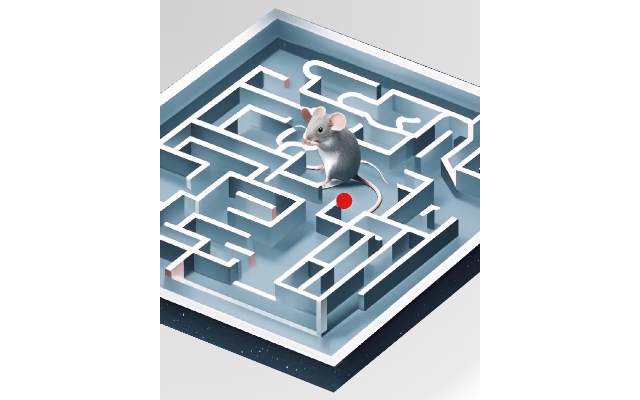
The Sucrose Preference Test (SPT) is a simple behavioral test widely used to assess motivation, depression (and anhedonia) and related emotional states in rodents. In SPT test, rodents typically exhibit a natural preference for palatable sweet solutions, and it is therefore assumed that such preference is correlated with the pleasure an animal experience when it consumes sucrose.
Application
Assessment of anhedonia and depression-like behaviors
Drug screening and evaluation in neuroscience / behavioral pharmacology
Studies of reward system dysfunction, motivation loss and emotional state changes
Research in metabolism, obesity, diabetes, cardiovascular or transgenic models where sucrose preference may reflect underlying pathophysiology
Toxicology and long-term behavioural monitoring where drinking behaviour is a metric
However, during the manual Sucrose Preference Test, researchers often encounter the following series of problems:
In terms of Operation:
1. Manual operation is cumbersome
In manual operation, researchers need to frequently change the sucrose water bottles and clear water bottles.
After each bottle change, thorough cleaning and disinfection are also required to prevent cross-contamination.
2. Lack of real-time monitoring
Manual methods cannot provide real-time information on the animals’ drinking behavior. Researchers can only check the scale changes of the bottles at certain intervals (such as every few hours or daily) to estimate the animals’ water intake.
3. Difficult to operate multiple channels simultaneously
When conducting sucrose water preference experiments on multiple groups of animals simultaneously, manual techniques find it hard to achieve synchronized operation. This significantly reduces the repeatability of the experiment and the comparability of the data.
In terms of Data accuracy:
1. Large data deviations and errors.
Manual reading of the scale to measure the consumption of liquid is prone to errors.
2. Interference with animal stress responses
In manual experiments, animals need to be frequently removed from their cages for operations such as weighing or changing water bottles. These operations can cause stress responses in animals, for instance, mice may exhibit behavioral changes such as anxiety and reduced activity.
3. Lack of detail data
Conventional or manual sucrose preference test can only provide relatively simple data, such as the total consumption of sugar water and pure water. However, more detailed data on drinking behavior, such as the duration of each drinking episode, the intervals between drinks, and changes in drinking preferences at different times of the day, cannot be obtained.
SANS automatic sucrose preference test uses the micro injection pump for water supply and has the advantages of real-time statistics, automation, and high accuracy. It significantly improves the efficiency of drug research and basic life science research, and fundamentally reduces data deviations and errors caused by manual operations.
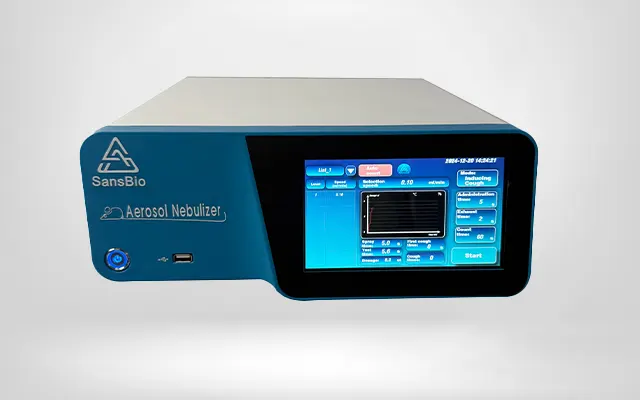
Flexible data export & integration: Synchronization via TTL, one-click bottle change, configurable software simplifies workflow and integrates with third-party devices.
Versatile applicability across behavioural neuroscience, pharmacology, toxicology, metabolism, and transgenic research contexts.
Q1: Which species can this SPT system support?
A: The system is configured for both mice and rats; channels can be adapted accordingly for species and cage size.
Q2: What is “sucrose preference” and why is it used?
A: Sucrose preference is a behavioural paradigm where rodents choose between sucrose solution and water. A reduced preference is considered a measure of anhedonia (loss of pleasure) often seen in depression-like models and reward-deficit studies.
Q3: How many channels can be run simultaneously?
A: The software supports up to 200 channels, enabling large-scale experiments across multiple groups of animals.
Q4: How accurate are the measurements?
A: Time resolution is 0.01 s and volume resolution is 0.001 mL thanks to the micro-syringe pump and software design.
Q5: Does the system disturb the animals?
A: The device uses natural housing cages and minimal handling (e.g., one-click bottle change) to reduce animal stress and improve behavioural validity.
Q6: Can the data be exported or integrated with other systems?
A: Yes — the system supports TTL output for synchronizing with third-party devices and offers standard data export features for downstream analysis.
The Sucrose Preference Test is widely cited in behavioral neuroscience and pharmacological studies as a reliable method for evaluating anhedonia and emotional states in rodent models. It has been frequently applied in research on depression, drug screening, and neuropsychiatric disorders, demonstrating strong reproducibility and scientific credibility.