Lab Animal Equipment
  • rat sleep deprivation
  • rat sleep deprivation
  • mouse sleep deprivation
  • Sleep Deprivation mouse
  • Sleep Deprivation rat
  • rat sleep deprivation
  • sleep deprivation
  • rat sleep deprivation
  • rat sleep deprivation
  • mouse sleep deprivation
  • Sleep Deprivation mouse
  • Sleep Deprivation rat
  • rat sleep deprivation
  • sleep deprivation

Sleep Deprivation Device

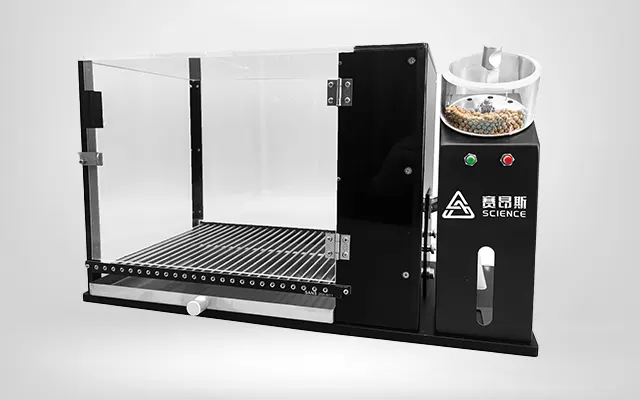
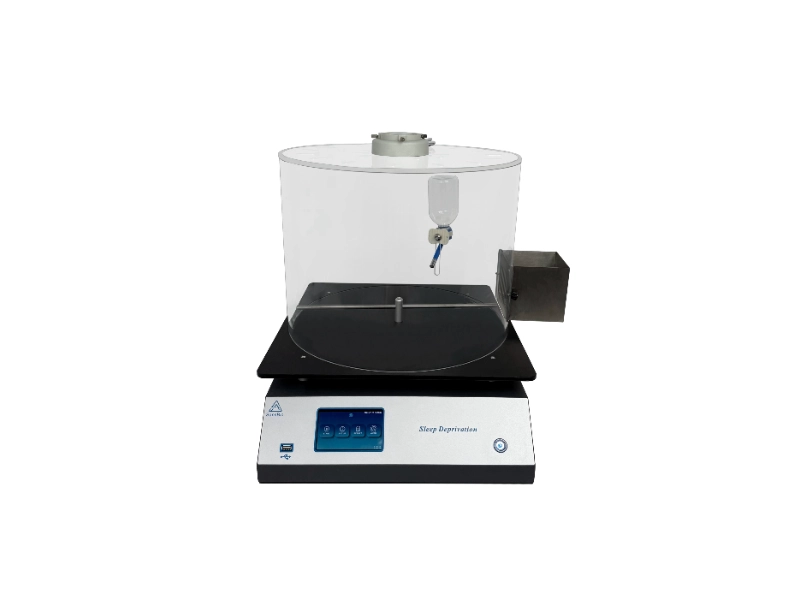
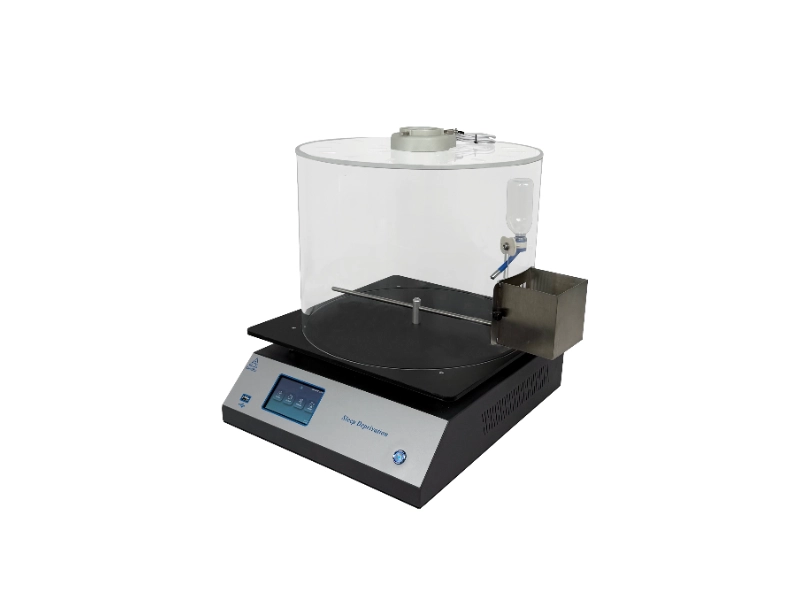
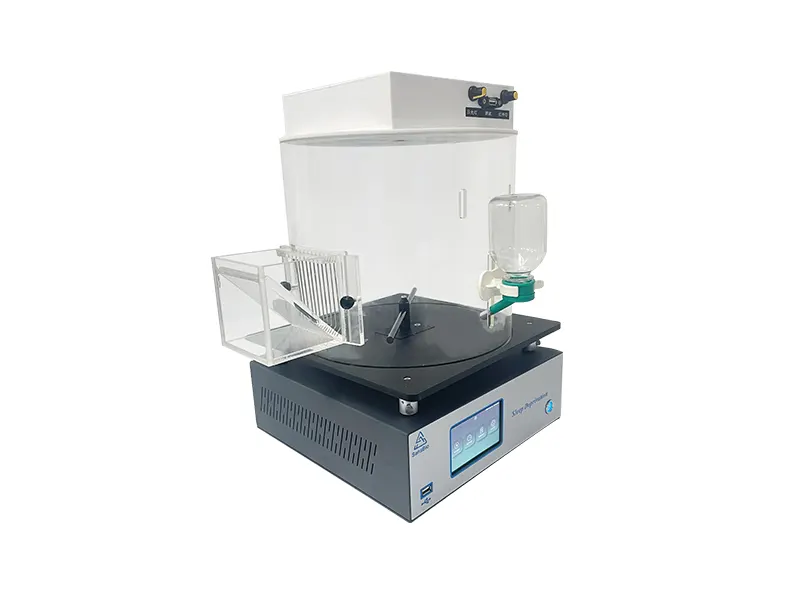
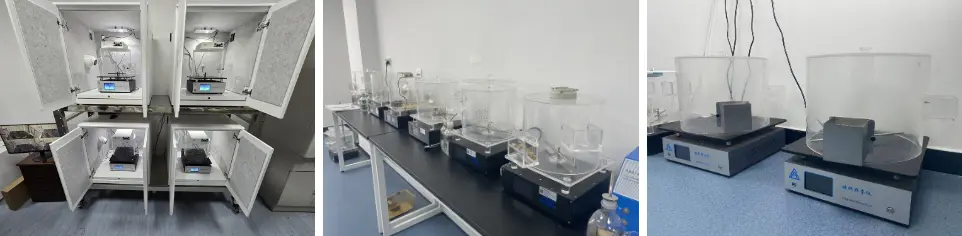
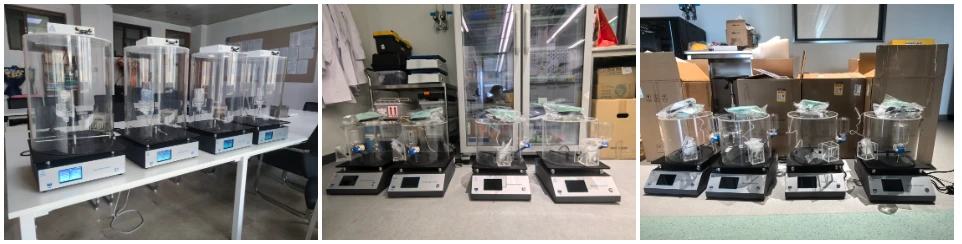
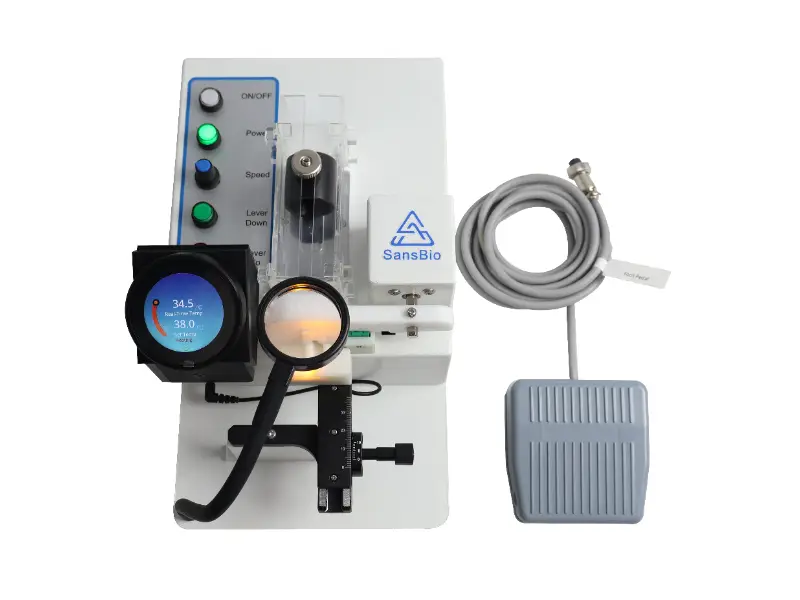
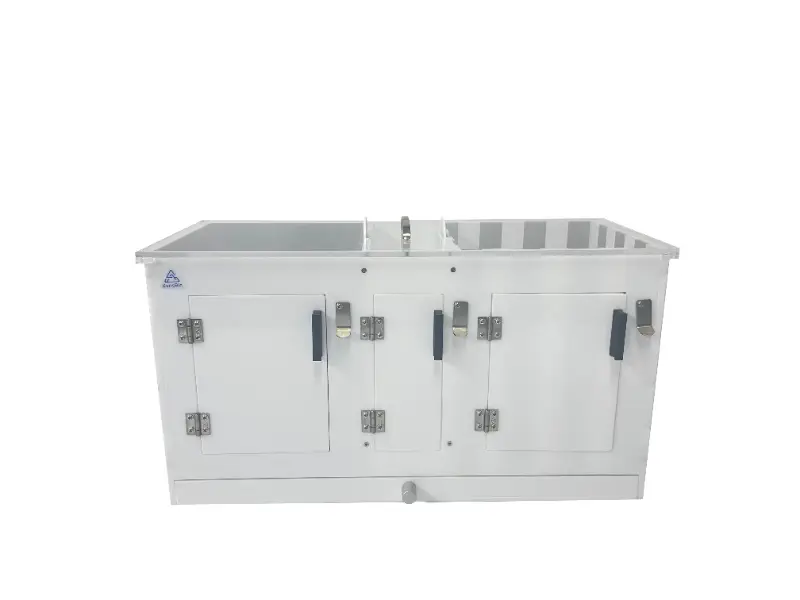
Sleep deprivation (SD) impairs spatial, emotional, and working memories, and augments anxiety-like behaviors. The Sleep Deprivation Device is an automated chamber that can be used for sleep deprivation and sleep fragmentation studies in rodents, provides movement at programmed intervals to prevent REM sleep. It gently and safely keeps rodents awake by using the rotating bar to touch the animals. With further integration capabilities for EEG/EMG, optogenetics, fiber photometry, and video tracking systems, sleep deprivation device plays vital role in exploring circadian rhythms, sleep disorders, and neuropsychological dysfunctions.

Overview

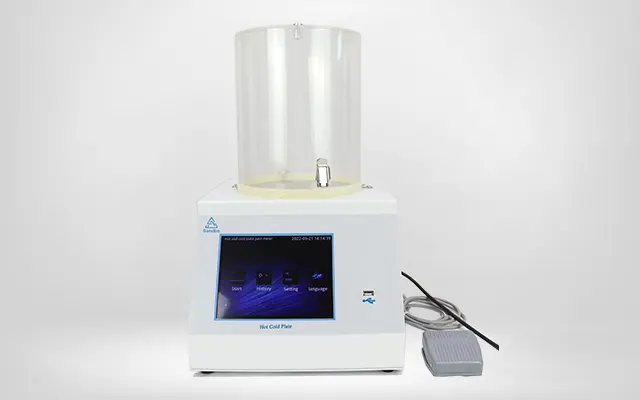
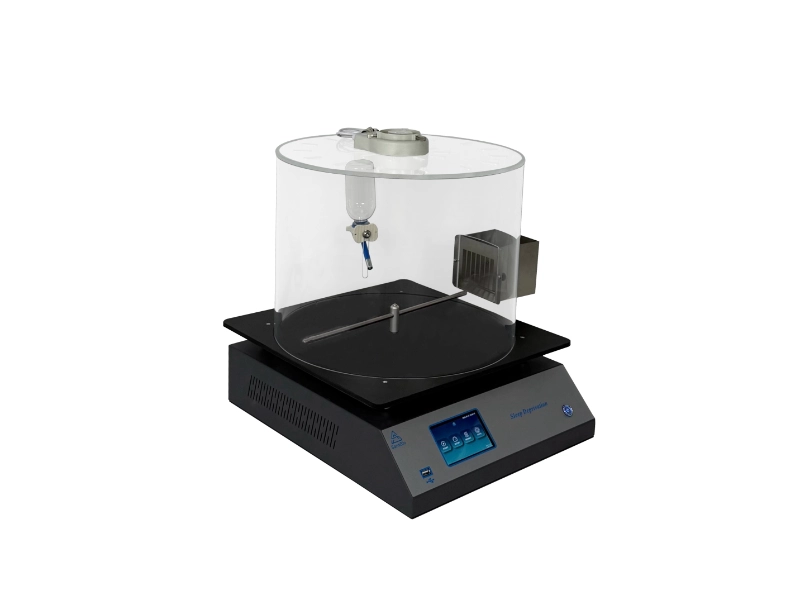
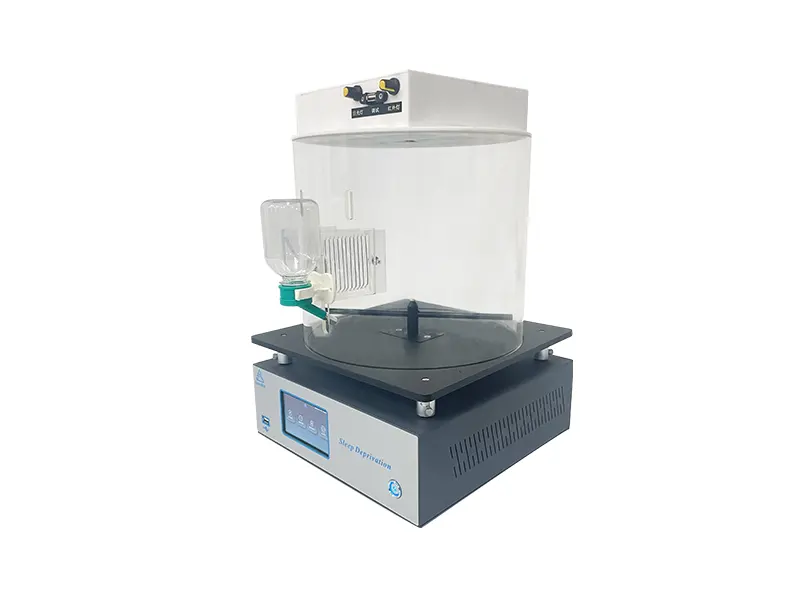
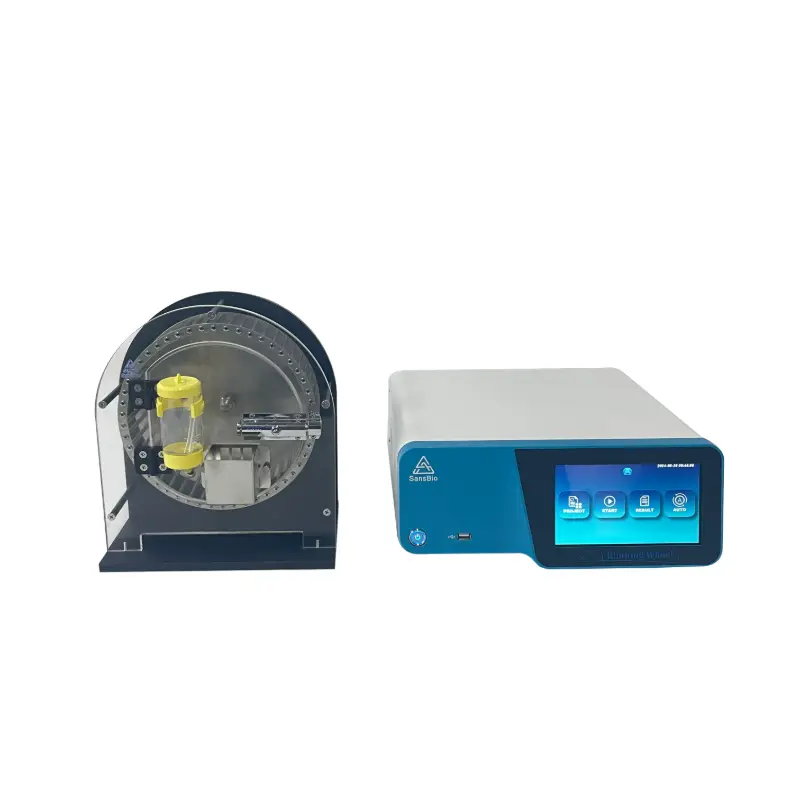
The sleep deprivation device for rat and mouse consists of a clear acrylic chamber atop a motor and screen to set time and rotations of a bar inside the chamber to prevent the rodent from sleeping in a safe way. Food and water apparatuses are available to allow long-term experimentation. Our rat and mouse sleep deprivation device equips with a circadian rhythm light control system, and it can be used for optogenetic experiments and calcium ion imaging experiments.

Application

  • Circadian Rhythm Research: Study phase shifts, sleep-wake cycles, jet lag models
  • Sleep Disorders Modeling: Investigate insomnia, REM behavior disorder, narcolepsy
  • Metabolic Studies: Explore connections between sleep and obesity, glucose tolerance, insulin resistance
  • Neurological & Psychological Research: Assess sleep’s role in depression, anxiety, memory loss, PTSD, and cognitive decline
  • Pharmacology & Drug Screening: Evaluate sedatives, stimulants, and cognitive enhancers under sleep-deprived conditions

Features

  • Programmable Rotating Bar System
    Adjustable speed (1–20 cm/s), direction (CW/CCW/random), and pause intervals (0–240s).
  • External trigger interface to be suitable for Optogenetic, Calcium ion imaging and EEG.
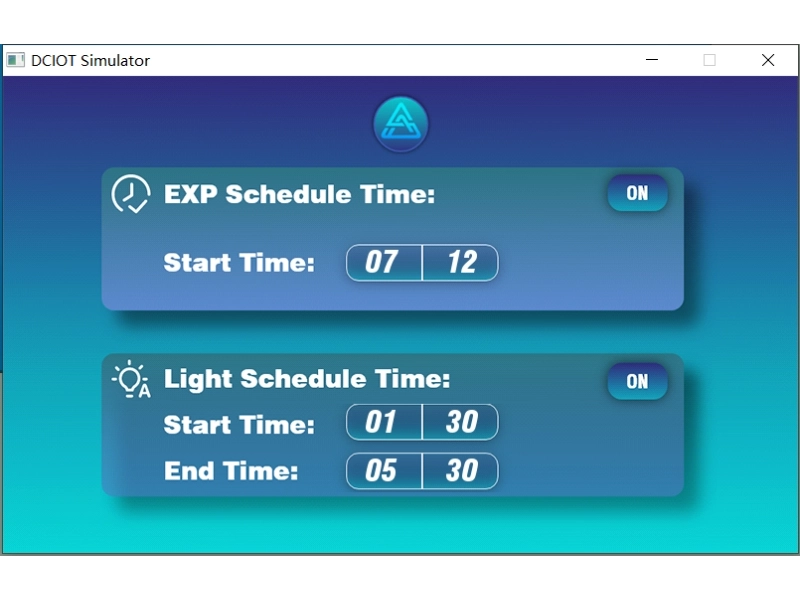
  • Scheduled automatic Start/Stop
    With circadian rhythm light control, achieve better sleep deprivation effects.
  • AI-Integrated Interface
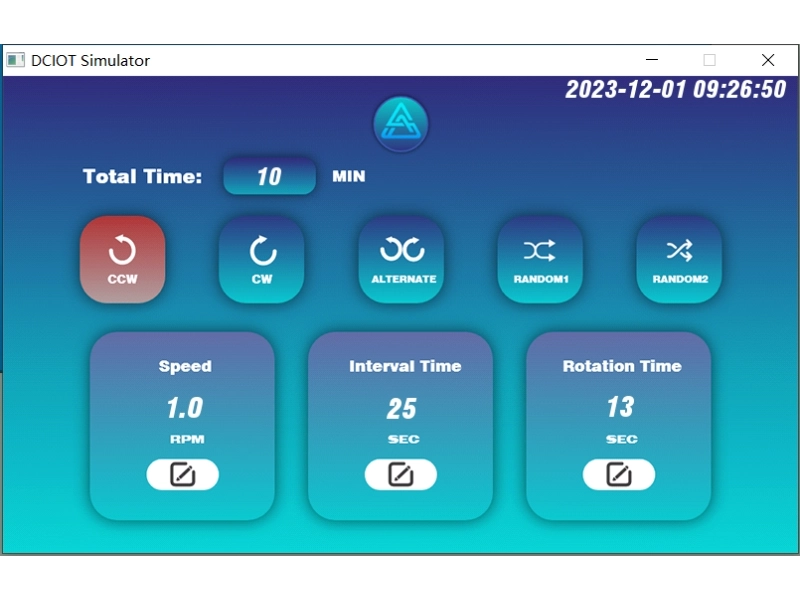
    Real-time control and automatic recording; user-friendly 5” touchscreen
  • Intelligent detect the sleep state
    Equips with the camera to detect the animal is asleep or not and automatically initiates sleep deprivation operation (Intelligence version).
  • Dual Use for Sleep Deprivation & Sleep Fragmentation
    Supports various experimental protocols (total deprivation, REM-specific, intermittent).
  • Ultra-Quiet Operation
    Noise level <30 dB to ensure minimal stress.
  • Housing Chamber
    Modular design supports 8–12 mice or 4–6 rats; food & water access included.

Advantages

  • Fully Automated Protocols–Eliminate operator error and manual handling
  • Low Stress to Subjects–Gentle rotating instead of forced locomotion
  • Compatible with High-Level Analysis Tools–EEG/EMG, optogenetics, fiber photometry
  • Supports Long-Term Studies–Food, water supplied in the unit
  • Wide Application Versatility–Suitable for behavioral, metabolic, and pharmacological research
Specification

Operation

  • Customized schedule: total running time, scheduled start, rotation period, custom periodic breaks of 0~99999s.
  • Experiment duration: 1-9999min.
  • Easy to operate capacitive 5 inch HD LCD screen with high response speed.
  • Period range (rotation-stop): 0s~99999s.
  • Time display precision: 1 second.
  • Rotation mode: Clockwise, counterclockwise, alternate, and random.
  • Rotation speed: 0.1-100RPM, step 0.1RPM
  • Rotation bar diameter: 8mm
  • Rotation bar height adjust: 1.8cm
  • Quiet motor at <30dB noise level.

Data Analysis

  • LCD screen & computer software control.
  • Configurations are saved on the device and data can be exported to the PC using a USB port.
  • No software or PC is required.
  • Data output: Total Circle, Total Time, Run Time, Rotation Time, Interval Number, Rotation Number, Interval Time etc.

Size

  • Chamber dimensions: (D) 30 cm X (H) 25 cm   Weight: 10kg
  • Controller apparatus  (L) 30 X (H) 32 X (W) 9cm  Weight: 5.8kg
Q&A

Q1: What is the difference of standard sleep deprivation device and Pro version?
A: The difference between our standard version and pro version is pro version has a feedback system using our camera, so the rotation comes when rats/mice stay still for a while. For this detection, the Pro version  can do 1 mouse/rat one time, while the standard sleep deprivation device can be multi animals. 

Q2: Can this sleep fragmentation device connect to our EEG/camera set-up to send trigger pulses to the device?
A: Yes, both standard and Pro version sleep deprived device equip with TTL external trigger interface to  be for Optogenetic, Calcium ion imaging and EEG.

Q3: Can I send TTL pulses through a BNC cable, this could be used to trigger individual rotations? 
A: Our TTL trigger equips with 2 activations: one for start the experiment and the other for finish the  sleep deprivation model.

Q4: How customizable are the rotations triggered by such a pulse?
A: 3.3V~5V can be used as the trigger through a BNC cable. The pulse width should be >= 50ms.

Q5: Is there a hole on the lid of your sleep deprivation device to allow for cables being connected to the mouse?
A: Yes, there is a hole on the sleep deprivation chamber lid.

Reference

Caffeine-Induced Sleep Restriction Alters the Gut Microbiome and Fecal Metabolic Profiles in Mice

International Journal of Molecular Sciences

https://www.mdpi.com/1422-0067/23/23/14837 

Sustained microglial activation and accelerated elimination of dendriticspines during acute sleep deprivation and restoration 

The Innovation 

https://www.the-innovation.org/data/article/life/preview/pdf/XINNLIFE-2023-0048.pdf 

Disrupting circadian control of autophagy induces podocyte injury and proteinuria

Kidney International

Involvement of circadian clock protein PER2 in controlling sleep deprivation induced HMGB1 up-regulation by targeting p300 in the cortex

https://www.nature.com/articles/s41598-025-96931-6

sleep fragmentation

How to Order
Item No. Product
SA109 Sleep Deprivation Device for Rat and Mouse
SA109 Pro Sleep Deprivation Device for Rat and Mouse (Intelligence version)

Start Now

Quality First, Cost Effective, Reputation Above All.

form-background

    Message *