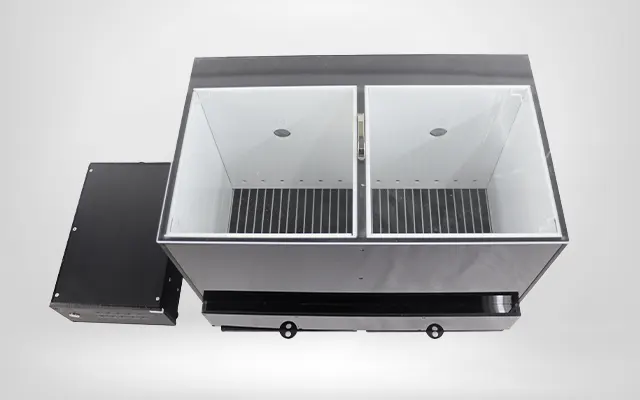
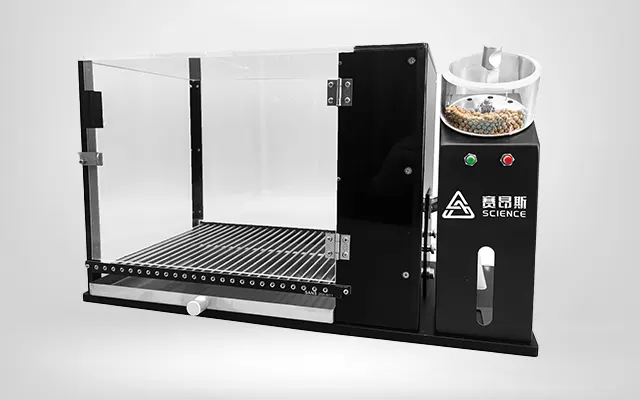
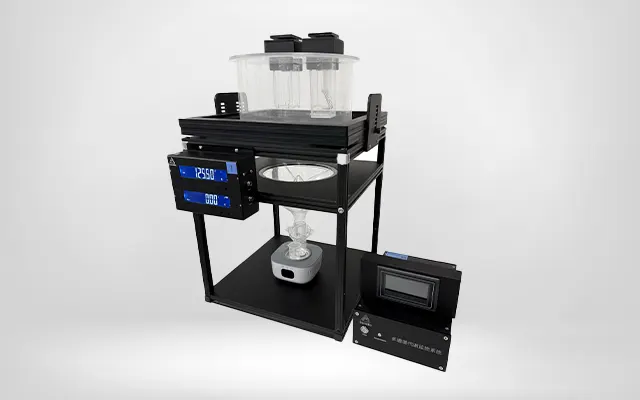
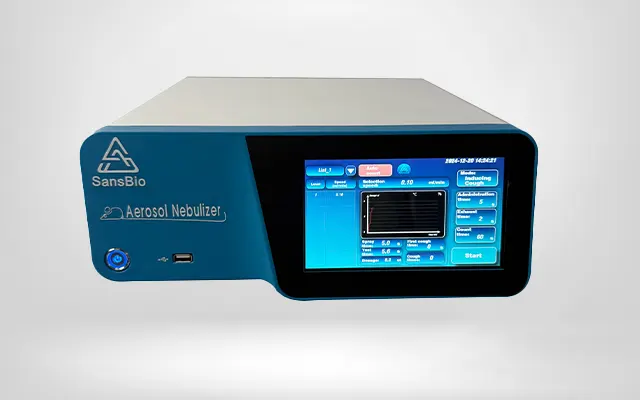
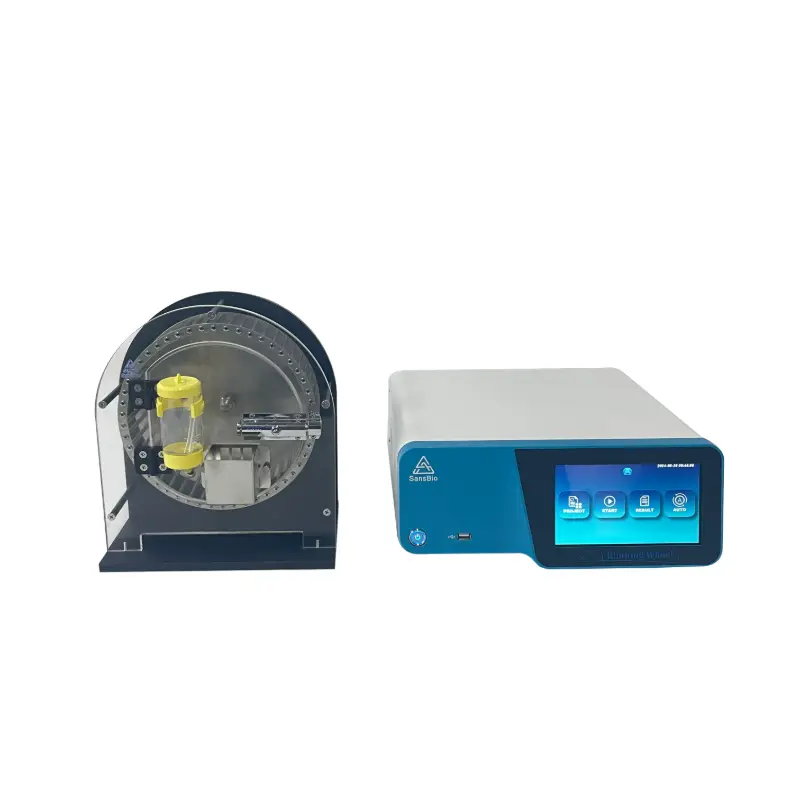
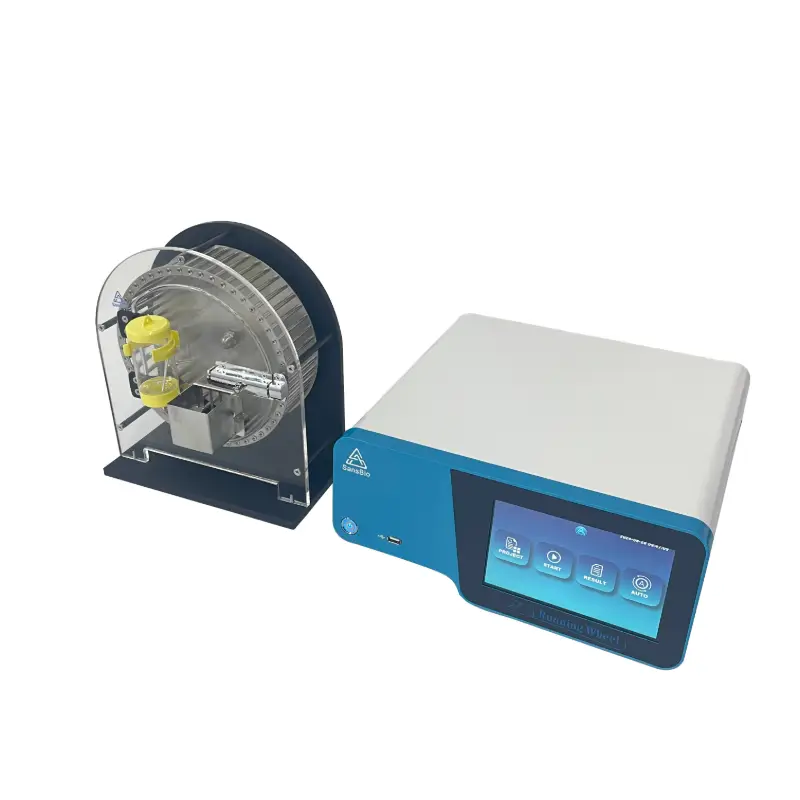
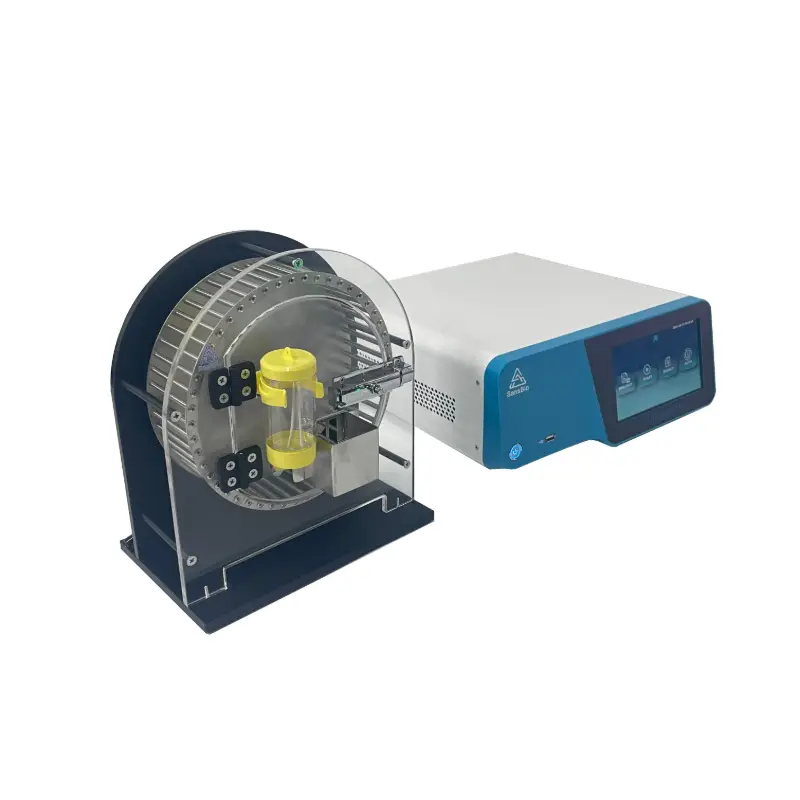
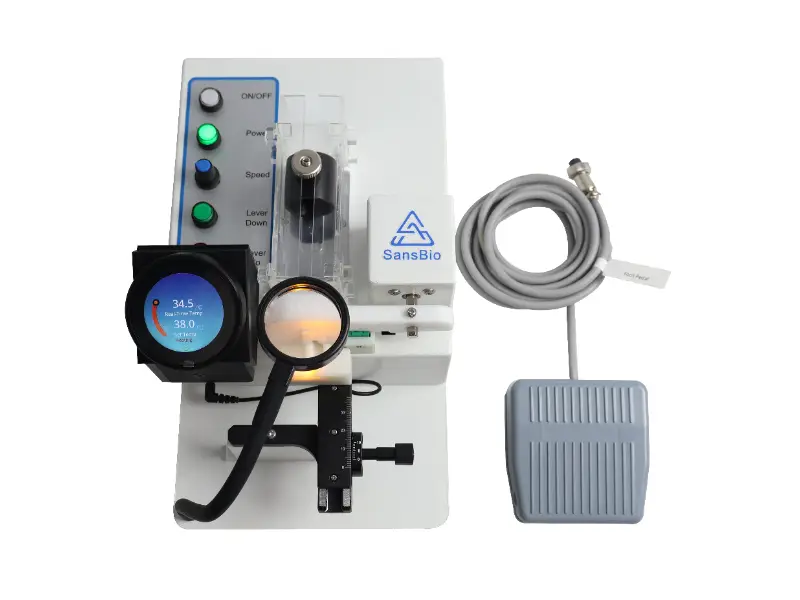
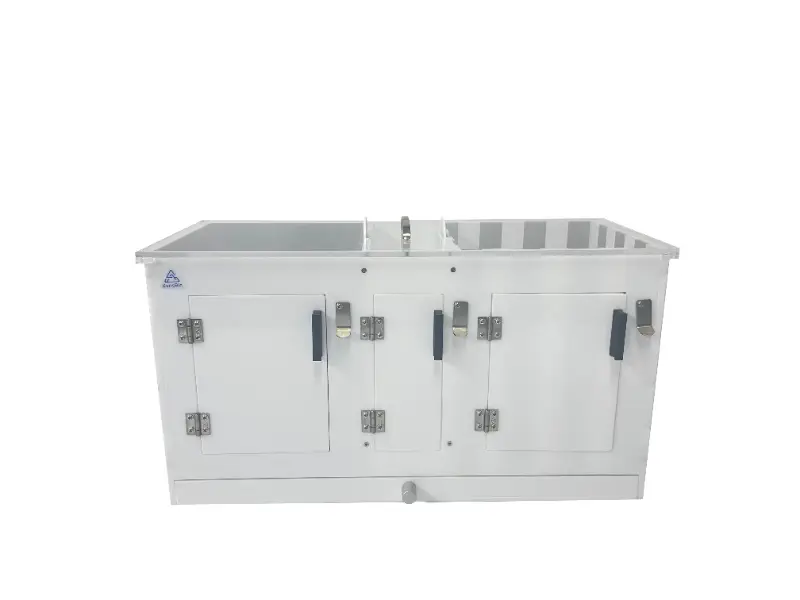
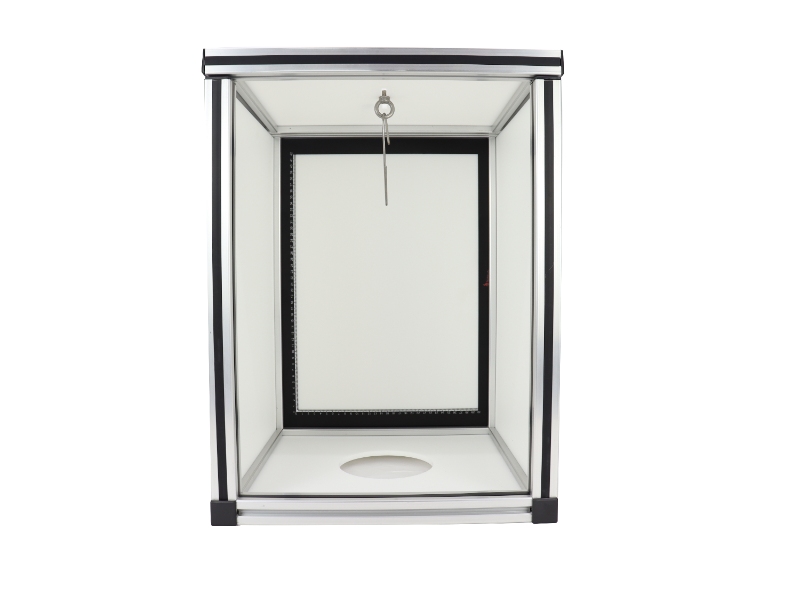
The Passive Running Wheel is a motorized forced-exercise system developed for mouse and rat behavioral experiments. Unlike activity-running wheels, the passive running wheel allows researchers to control speed, acceleration, direction, and duration, enabling standardized and repeatable exercise protocols.
Our rodent exercise wheel is widely used in neuroscience, metabolic and endocrine research, rehabilitation medicine and drug response evaluation. The system records exercise time, running distance, wheel revolutions and automatically stores statistical results for comparative analysis.
Application
Components
Advantages
| – | Rat | Mouse |
| Wheel Size | Φ30*9cm | Φ20*6cm |
| Chamber Size | 36*26*43cm | 25*25*30cm |
| Controller Size | 37*26*18cm | 37*26*18cm |
| Controller Weight | 4.2kg | 4.2kg |
Precise Motion Tracking
User-Friendly Touchscreen Control
Flexible Experimental Modes
Local and Auto Backup Storage
Multi-Phase Protocol Programming
Q1: What is the difference between passive (forced) and active (voluntary) running wheels?
Active wheels rely on voluntary movement; passive wheels are motor-driven, requiring the animal to follow, enabling standardized protocols.
Q2: Which animals can be tested?
Designed for mice and rats, with chamber and wheel sizes optimized for each species.
Q3: Can I export experiment data?
Yes — data is saved locally and exported via USB in CSV format for statistical analysis.
Q4: Does the system support long-term monitoring?
Yes — supports extended studies and can be equipped with food and water modules.
Q5: What research application be used?
Neuroscience, exercise physiology, metabolic disorders, drug evaluation, and rehabilitation medicine.

| Item No. | Product Description |
| SA110M | Passive Running Wheel for Mice |
| SA110R | Passive Running Wheel for Rats |
Quality First, Cost Effective, Reputation Above All.
11th Floor, Xiangbin Building, No.18, West Free Trade Street, Shenzhen, Guangdong Province, China.