Q1. Should animals use forelimbs only or all four limbs during the Grip Strength Test?
This depends on your experiment.
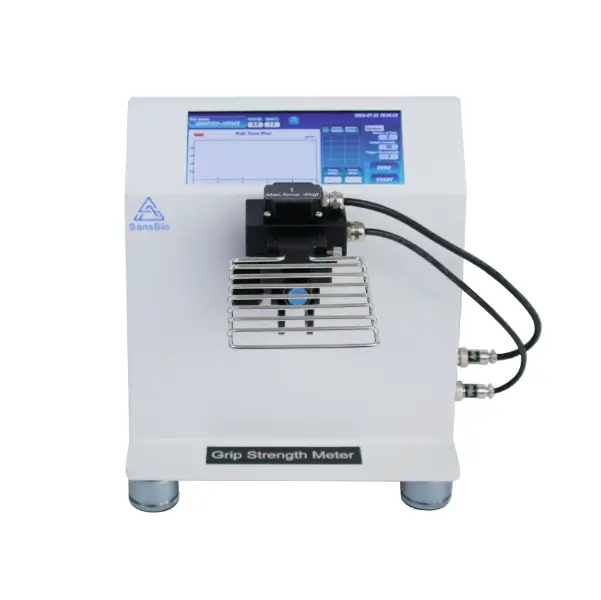
In a Rodent Grip Strength Meter, a four-limb grip strength test reflects overall muscle strength and is commonly used in aging studies, sarcopenia research, and systemic neuromuscular disease models.
A forelimb grip strength test, on the other hand, is widely applied in neuromuscular function testing, particularly for evaluating neurotoxicity, peripheral nerve injury, or drug-induced effects on forelimb motor performance.
Selecting the appropriate animal muscle strength measurement protocol ensures alignment with your specific research endpoints.
Q2. How does the Grip Strength Meter measure peak force during a rodent grip strength test?
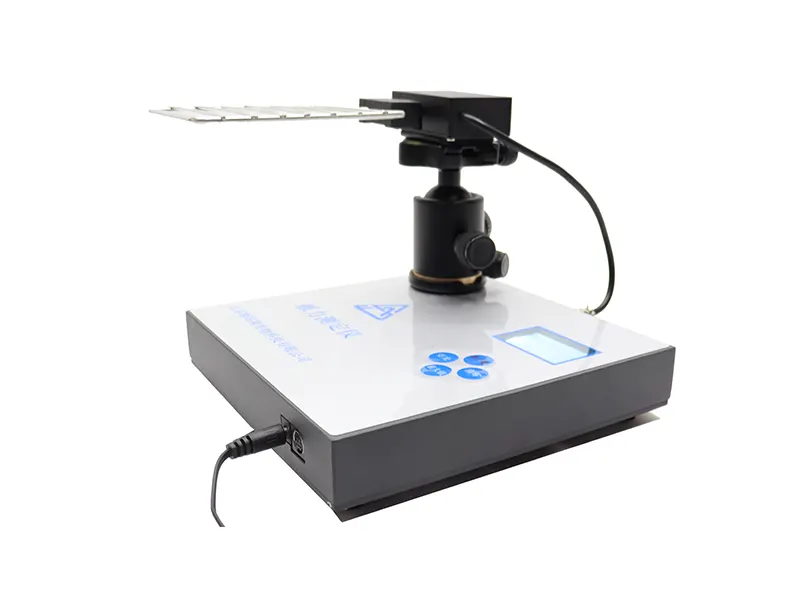
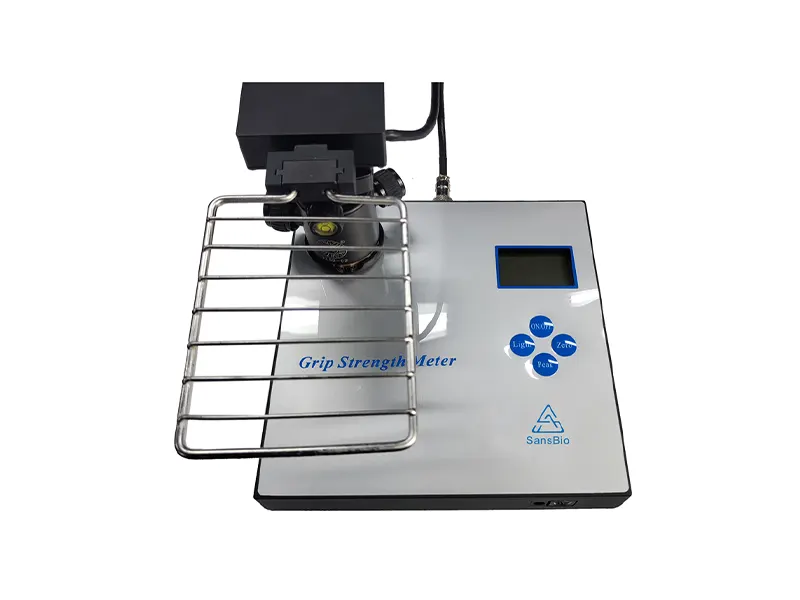
During a grip strength test, rodents grasp a grid or bar connected to a force transducer. As the animal is gradually pulled, the meter records the maximal tensile force exerted — the peak force — which remains held until manually zeroed, enabling accurate neuromuscular strength evaluation.
Q3. Can Grip Strength Test Device measure both forelimb and hindlimb grip strength in mice and rats?
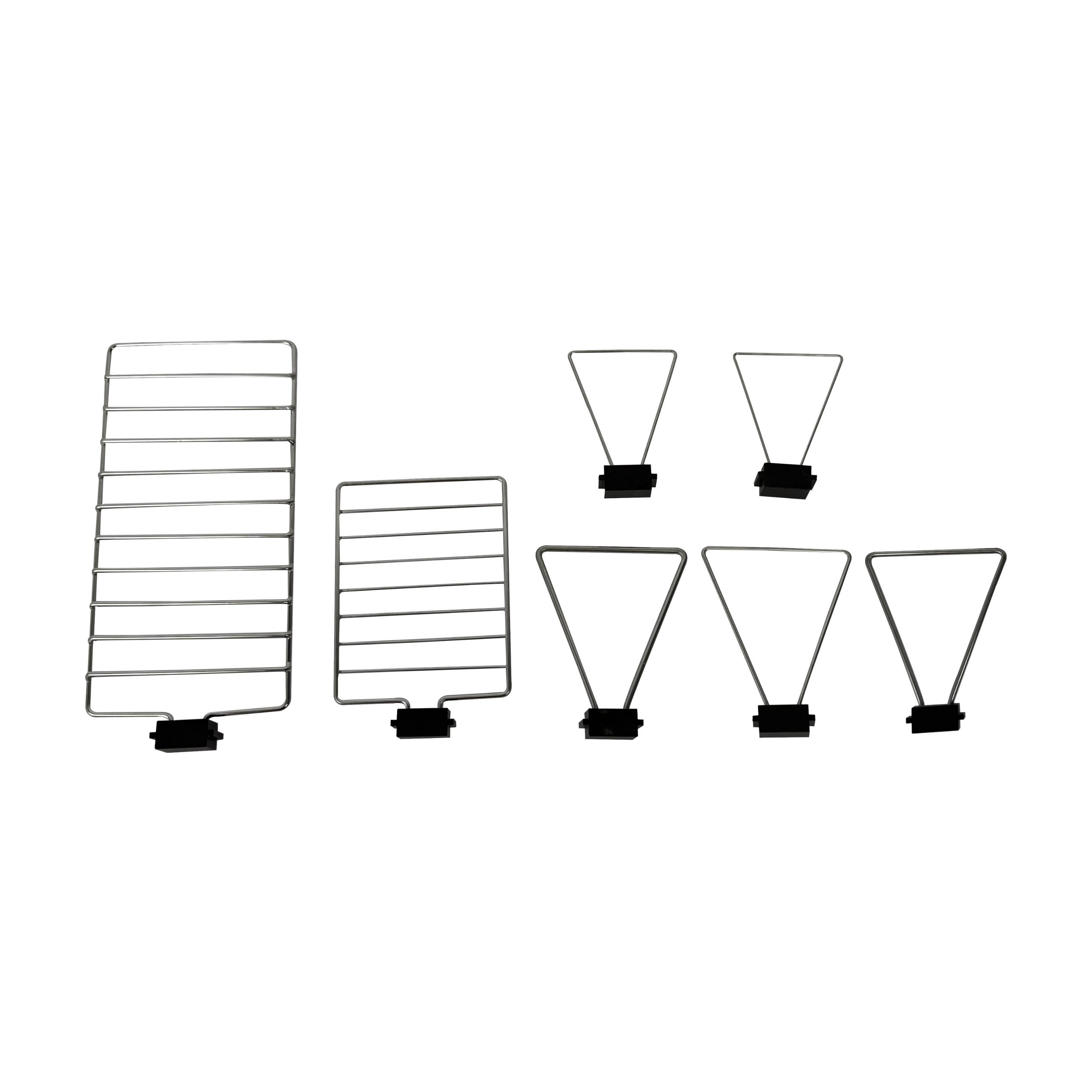
Yes. Our GSM includes 5 grip bars and 2 mesh grids specifically designed for forelimb grip strength test and hindlimb grip strength test in mice and rats, making it suitable for a comprehensive neuromuscular assessment in diverse rodent models.
Q4. What force measurement units does the Grip Strength Meter support?
Multi-unit display options are supported, including gf (gram-force), N (Newton), and lb (pound-force), allowing researchers to select the appropriate unit for specific rodent models or reporting standards. Using gf is especially recommended for mice data precision.
Q5. Can the Grip Strength Meter be used as a stand-alone device or integrated with PC software?
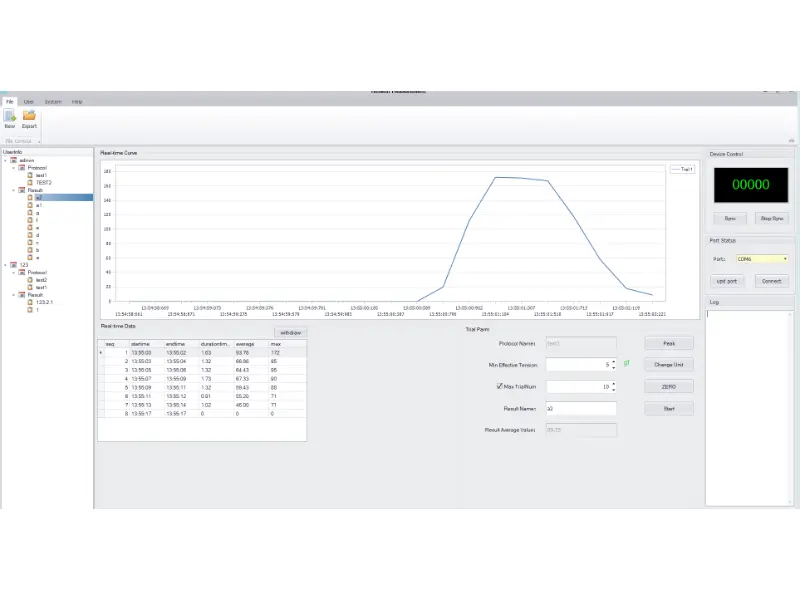
Yes. It functions as a stand-alone unit with on-screen result display and also connects to PC via USB for real-time monitoring and extended data recording using dedicated software.
Q6. How long can the Grip Strength Meter operate on battery power and is mains power required?
The compact control unit supports approximately 20 hours of battery use, reducing dependency on mains power and enhancing flexibility in lab setups, while also offering universal AC input.
Q7. How should the grip grid or pull bar be cleaned?
After each test, the grip grid or pull bar should be cleaned with alcohol to remove excreta and odor cues. Residual scent signals can influence stress levels and behavior in subsequent animals, affecting animal muscle strength analyzer performance.
Proper sanitation ensures reproducible results in in vivo force measurement and rodent motor function testing studies.
Q8. What data outputs are available and how can researchers export results for analysis in Grip Strength Test?
Our software records start time, end time, duration, average force, and peak force. Data can be exported via USB in CSV or Excel-compatible formats for statistical analysis, graphing, and integration into research workflows or publications.