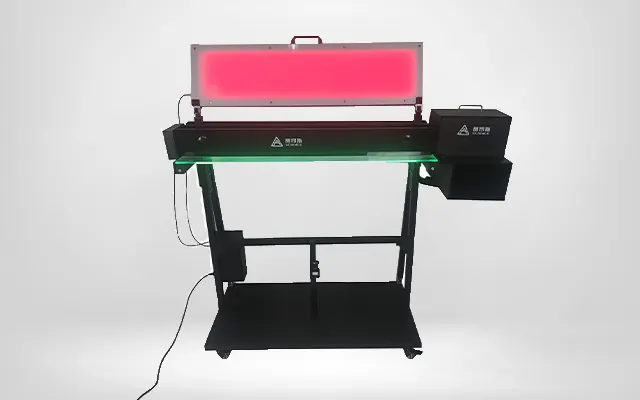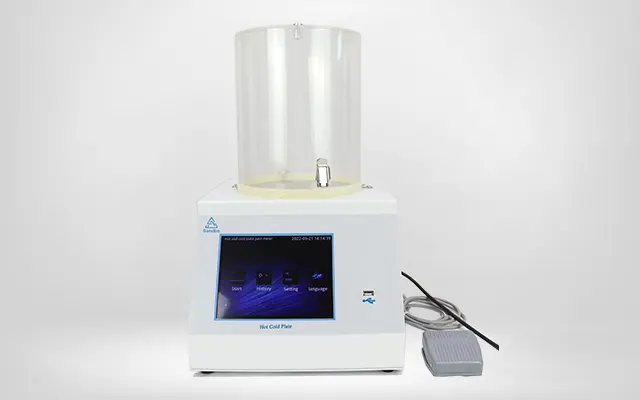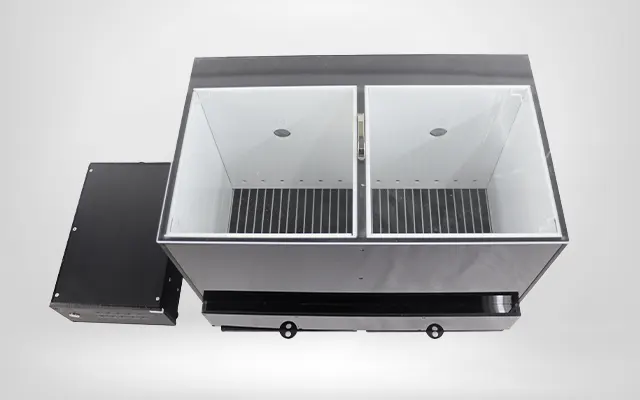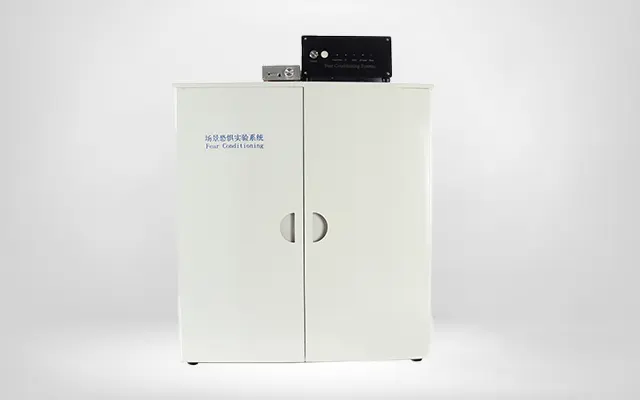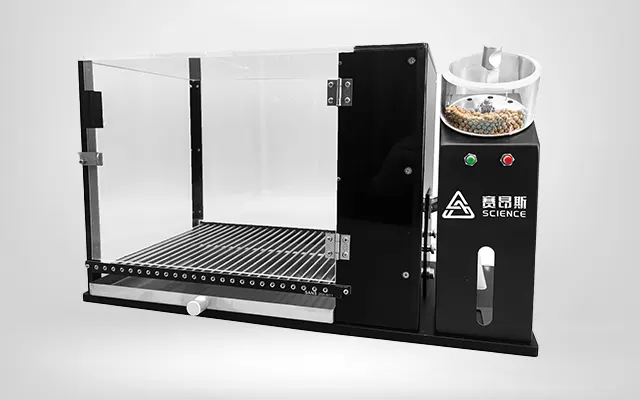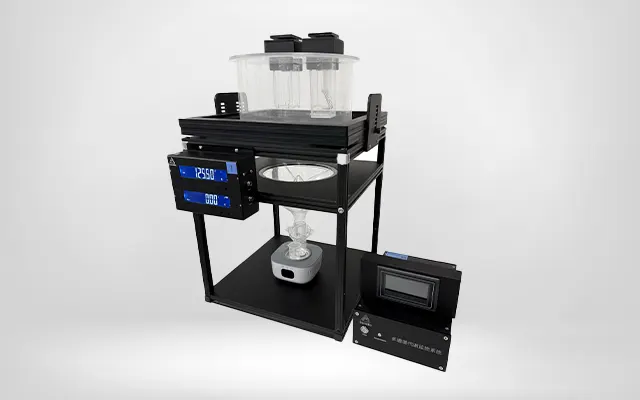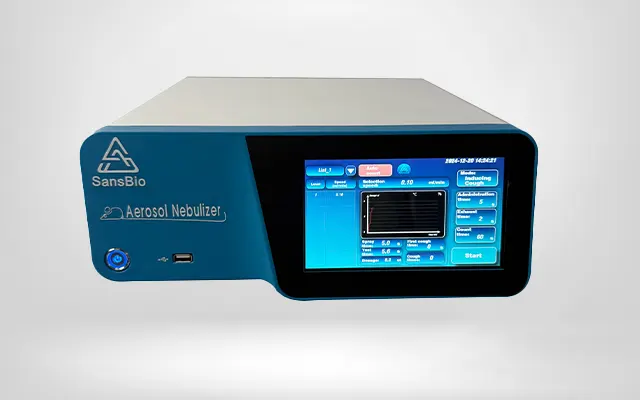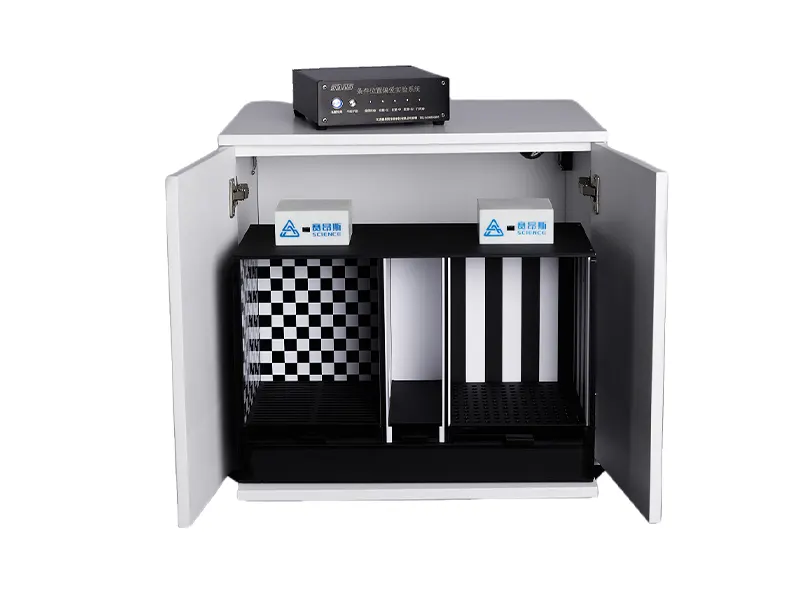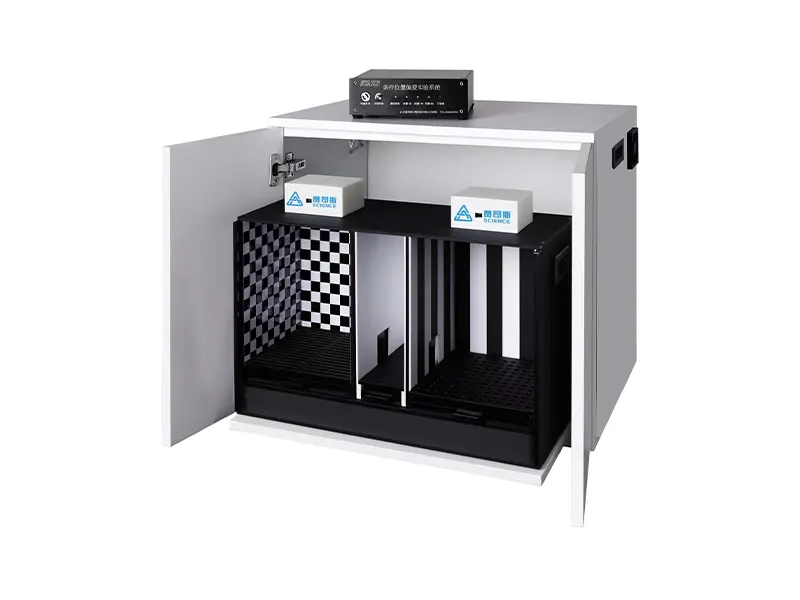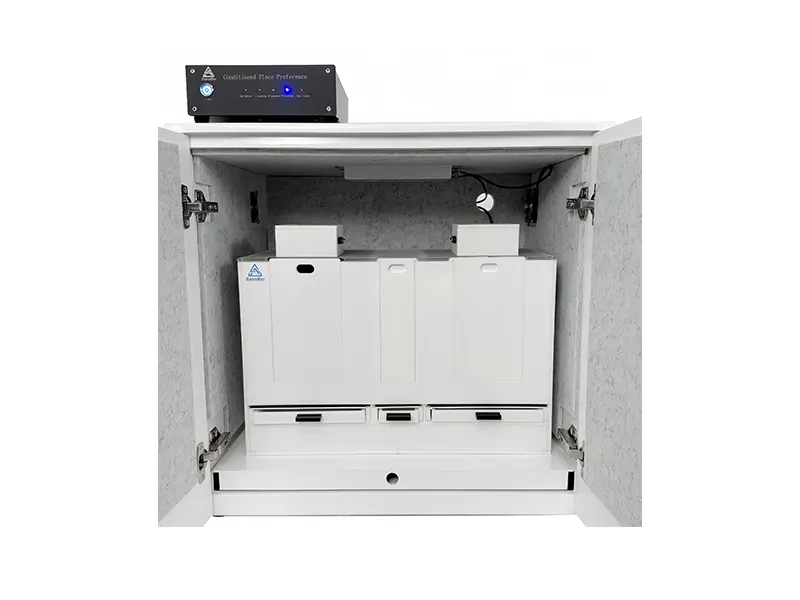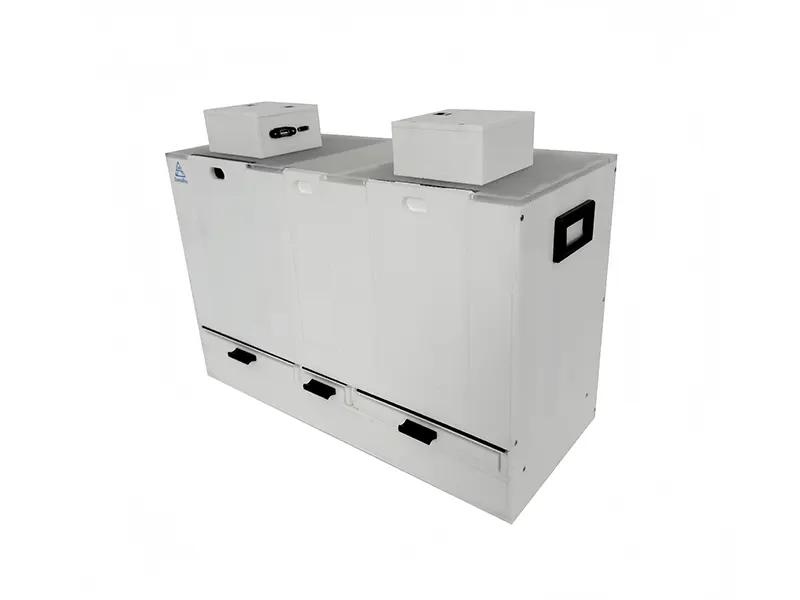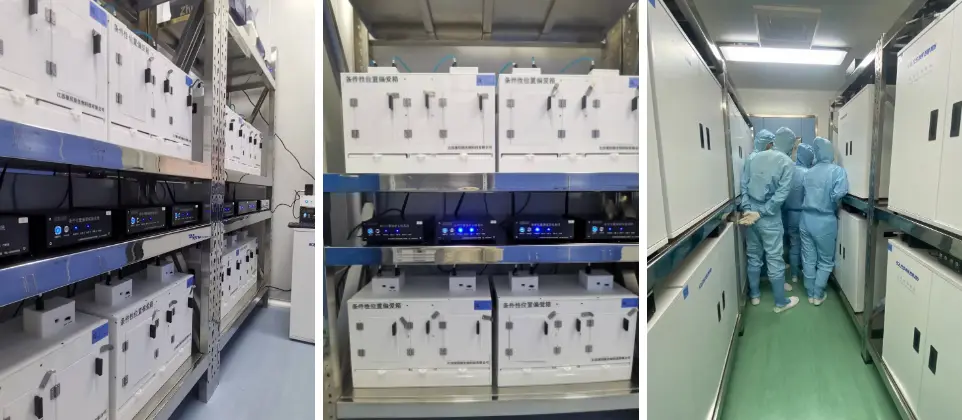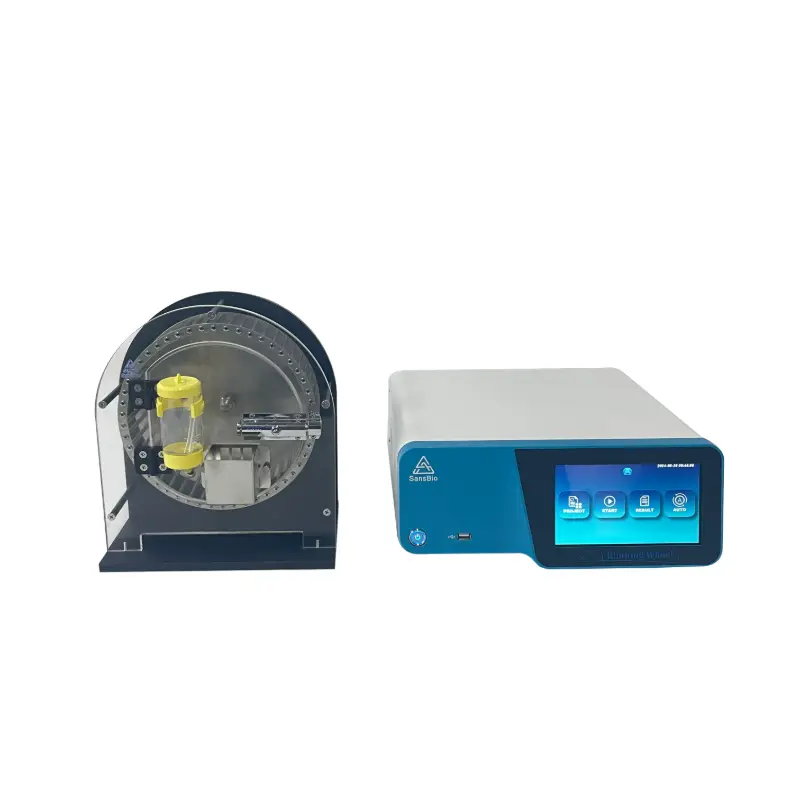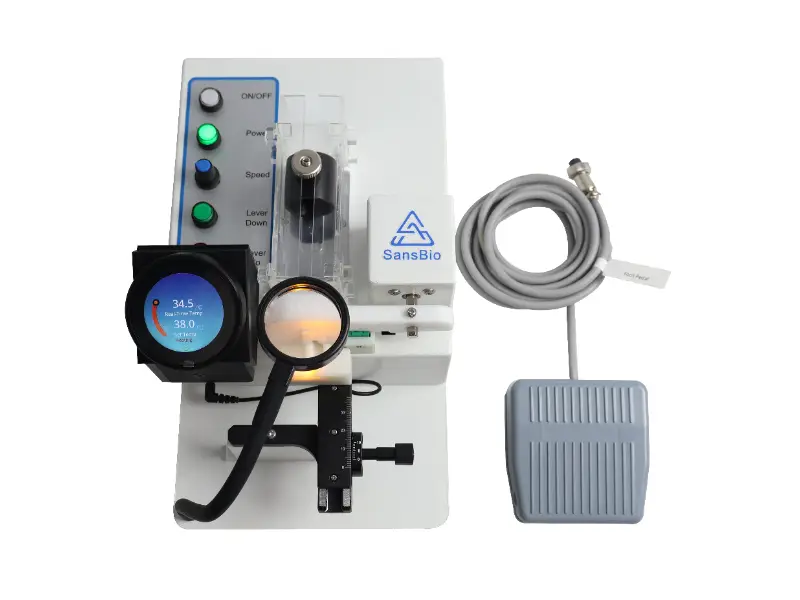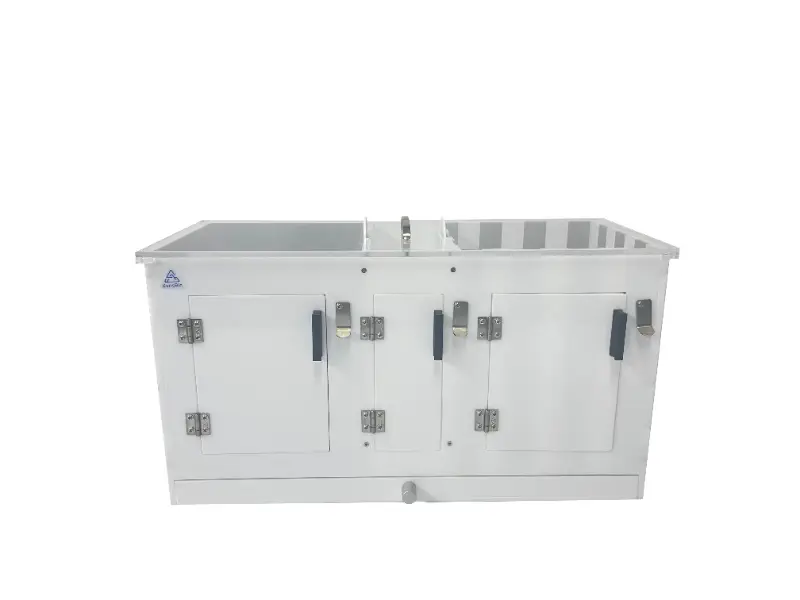
Conditioned Place Preference (CPP) System is a high-precision behavioral neuroscience apparatus designed for drug addiction studies, reward learning, and drug-seeking behavior research. CPP is one of the most widely used paradigms in psychopharmacology, enabling researchers to quantify drug-induced reinforcement, contextual learning, and motivational states in rodents.
In the Conditioned Place Preference protocol, animals (rats or mice) receive psychotropic or rewarding drug administration (e.g., morphine) within a specific chamber. Through repeated conditioning, rodents develop a measurable place preference driven by the drug’s reward value. Our CPP box provides a controlled, automated, and reproducible environment where researchers can precisely track chamber preference, locomotor activity, and reward-associated learning.
The integrated IR thermal imaging tracking module delivers accurate multi-chamber tracking, while the smart automatic door system minimizes human interference—ensuring high-quality behavioral data for advanced neuroscience and addiction research.
Application
Features & Advantages
•Total distance(mm) •Average speed (mm/s)
•Running time in left chamber(s) •Running time in right chamber(s)
•Time percentage in left chamber (%) •Time percentage in right chamber (%)
•Distance in left chamber(mm) •Distance in right chamber(mm)
•Distance percentage in left chamber (%) •Distance percentage in right chamber(%)
•Number of times for total shuttle/left chamber /right chamber
| Automated CPP for Mouse | Automated CPP for Rat | |
| Left chamber | 20*20*25cm | 30*30*37cm |
| Middle chamber | 8*20*25cm | 8*30*37cm |
| Right chamber | 20*20*25cm | 30*30*37cm |
1. What animals are compatible with the Conditioned Place Preference System?
Both rats and mice are fully supported.
2. Can the system be used for both CPP and CPA?
For Conditioned Place Aversion experiments, please contact us for more details and we can customize it.
3. Does the system integrate with optogenetics or calcium imaging?
Yes. A TTL trigger allows synchronization with optogenetic stimulation, Ca²⁺ imaging, or other neural recording systems.
4. How many chambers can be operated simultaneously?
Up to 16 independent chambers for high-throughput experiments.
5. What data formats are supported?
Data can be exported as CSV, PDF, and trajectory files as JPG.
6. Is the system suitable for drug-seeking behavior research?
Absolutely. It is specifically designed for:
Drug addiction
Dependence
Reward reinforcement
Motivational learning
The Conditioned Place Preference (CPP) test is a widely accepted model for assessing drug-induced reward and psychotropic dependence in rodents. It is frequently cited in studies on addiction, reinforcement mechanisms, and drug-seeking behaviors, making it a valuable tool in both pharmacological research and behavioral neuroscience.
| Item No. | Product |
| SA213S | Automated Conditioned Place Preference (1 cage, including CPP cage with automated door, IR thermal imaging sensor, and software.) Sound Isolation cubicle is optional. |
Quality First, Cost Effective, Reputation Above All.
11th Floor, Xiangbin Building, No.18, West Free Trade Street, Shenzhen, Guangdong Province, China.