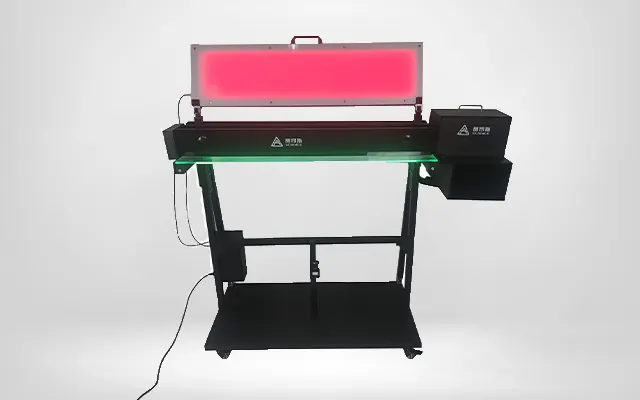
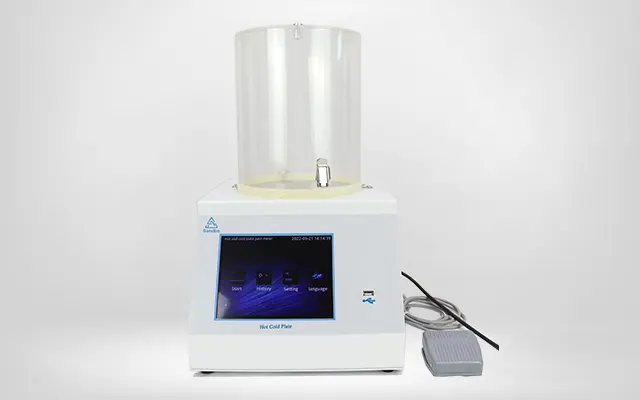
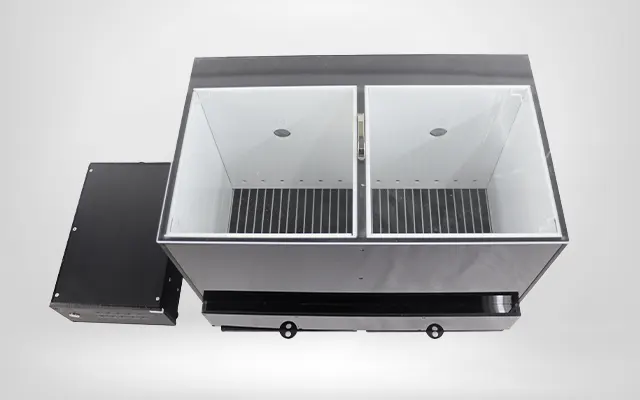
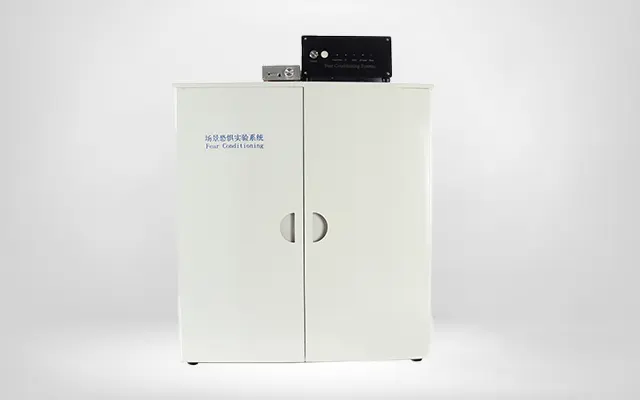
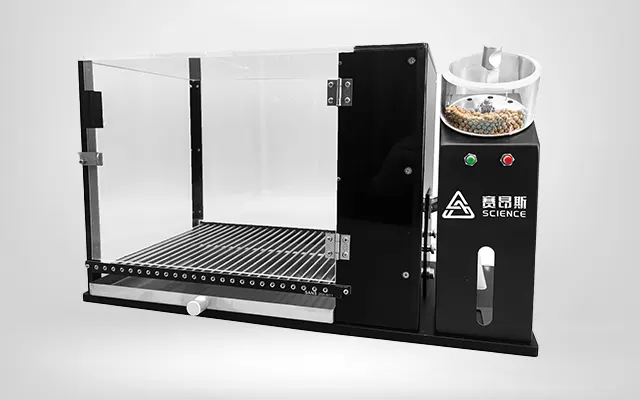
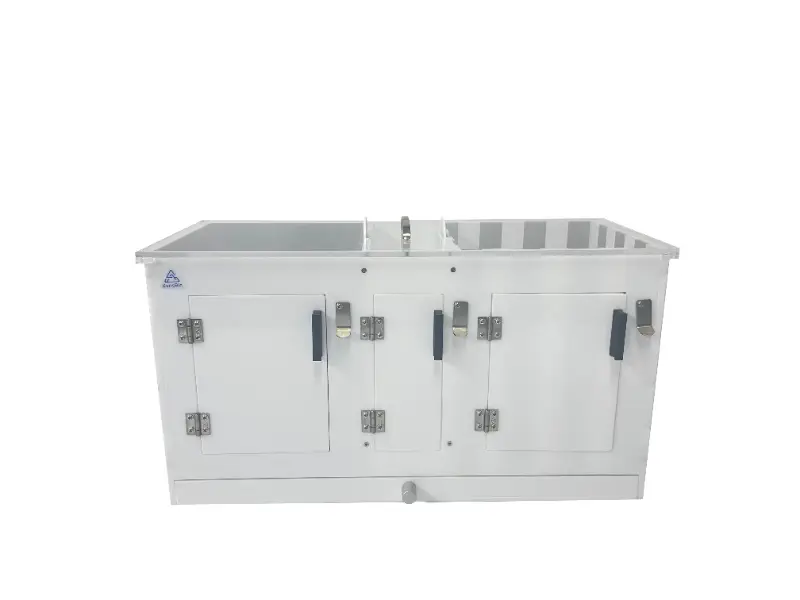
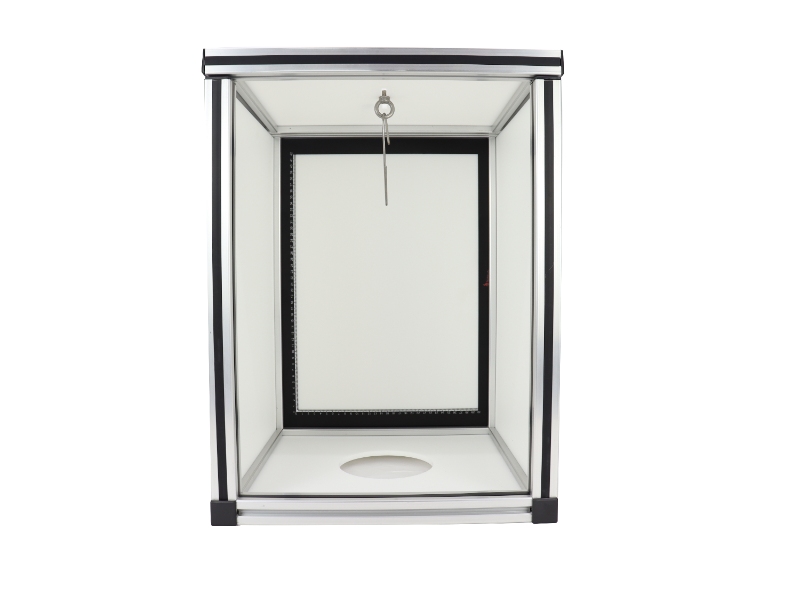
The Catalepsy Bar Test is developed to test motor coordination and motor impairments, being as an alternative to the Rotarod. The Catalepsy Bar Test involves placing the forepaws of a rodent subject onto a bar and timing how long it takes for the subject to remove one or both paws from the bar.
Application
The Catalepsy Bar Test is widely used in behavioral neuroscience and neuropharmacology research, including:
• Parkinson’s disease
• Antipsychotic drug side effect evaluation
• Extrapyramidal symptoms (EPS) assessment
• Dopamine D2 receptor antagonist studies
• Motor rigidity and coordination assessment in rodents
• Behavioral pharmacology screening
Features and Benefits
| Features | Benefits |
| 4 and 6 lane automated design | Allows simultaneous testing of multiple subjects |
| Independent timing per lane | Ensures accurate and unbiased record |
| Adjustable bar height | Accommodates different experimental protocols |
| Sensor array detection | Provides objective identification of paw removal |
| Manual start buttons | Enhance synchronization accuracy across lanes |
| Touchscreen control unit | Simplifies experimental operation and data review |
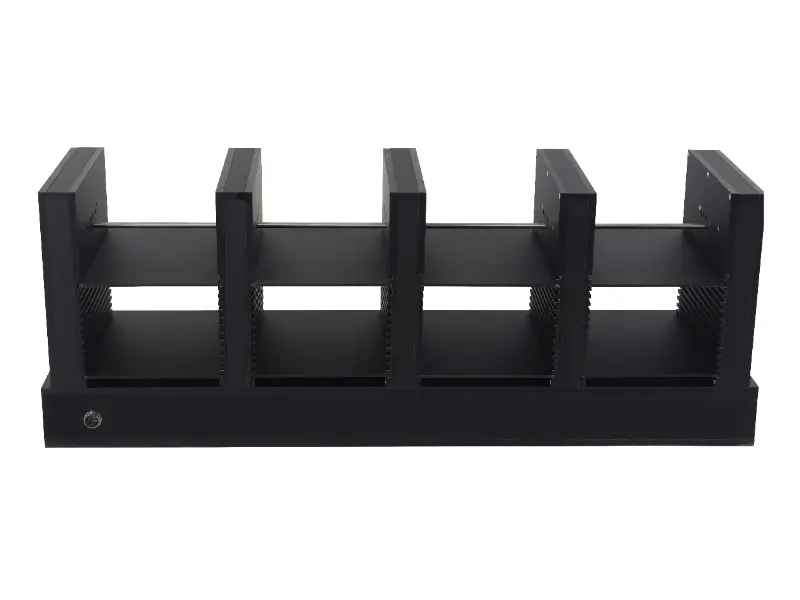
• 4 lanes with a lane width of 15cm for Rats and 6 lanes10 cm for Mice
• Metal bar is used with a bar diameter of 0.7 cm for Mice and 0.9cm for Rats.
• Distance of the bar above the floor 3-8cm (6cm on average) adjustable.
• Thickened medical acrylic chamber.
• Four manual start buttons (improved timing accuracy)
• Each lane has one pair of sensor arrays right above the bar to detect the animal on and off the bar.
• Independent timing record for start and stop in each lane.
• Capacitive HD LCD touch screen with high response speed and easy to operate
• Dimension 16 x 9 cm
• Data exportable via USB
• Start time •End time
• Stay duration in each lane
• Max. duration •Min. duration
• AVG. duration
Q1: What is the Catalepsy Bar Test used for?
A: The Catalepsy Bar Test is used to assess motor rigidity and catalepsy in rodents, commonly applied in Parkinson’s disease models and antipsychotic drug studies.
Q2: Can this Catalepsy Bar Test be used for both mice and rats?
A: Yes. We provide 4 lanes for Rats and 6 lanes for mice with different bar diameters and lane widths.
Q3: How is catalepsy measured in this system?
A: Catalepsy is measured by recording the latency for the animal to remove one or both forepaws from the elevated bar using sensor array detection.
Q4: Is the Catalepsy Bar Test automated?
A: Yes. Paw removal is automatically detected, and timing data are recorded independently for each lane.
Q5: What data can be exported from the Catalepsy Bar Test system?
A: Start time, end time, stay duration, maximum duration, minimum duration, and average duration for each subject.

| Item No. | Product Description |
| SA119R | Catalepsy Bar Test for Rats |
| SA119M | Catalepsy Bar Test for Mice |
Quality First, Cost Effective, Reputation Above All.
11th Floor, Xiangbin Building, No.18, West Free Trade Street, Shenzhen, Guangdong Province, China.