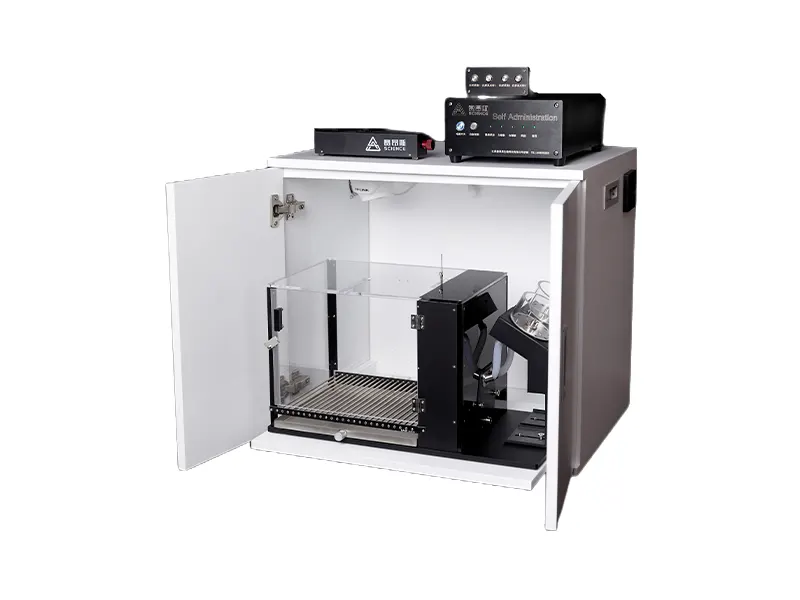
Von Frey Introduction
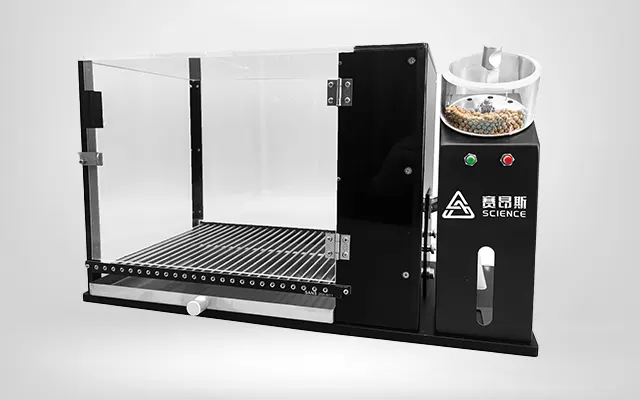
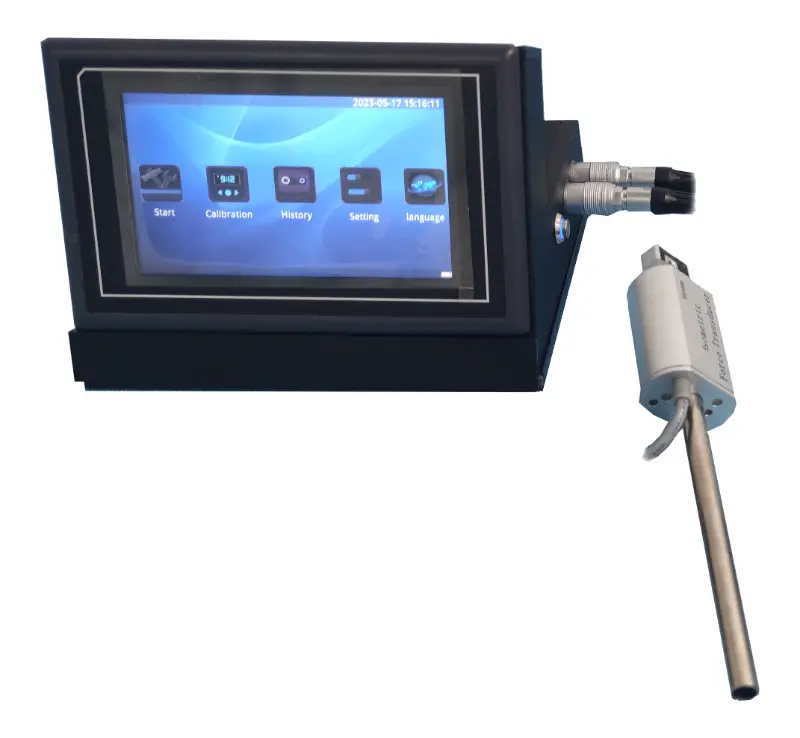
Electronic Von Frey, also call as Anesthesiometer, it accurately assesses pain threshold and mechanical allodynia in rodents. Our Electronic Von Frey delivers precise, reproducible measurements for joint pain and analgesia research. The mechanical withdrawal threshold is defined as the force applied by the Von Frey filament that evokes a withdrawal response of the animal’s hind paw.
Von Frey Training Protocol
1. Habituation
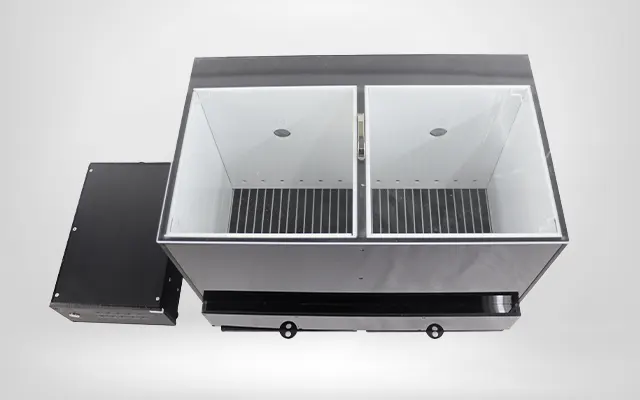
Place the Rats or Mice individually in their acrylic mesh chamber for 15 to 30 minutes before beginning the trials. During this period, poke the paws of the subject 2 to 3 times. This helps the subject to acclimate to the set-up and remain calm and still during the actual trial.
2. Experiment Procedure
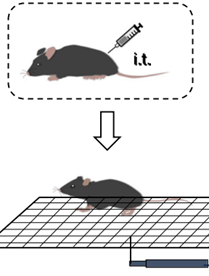
Using a tilted mirror under the mesh flooring. Place the mouse on a metal mesh platform and allow it to acclimate for 30–60 minutes prior to testing.
2.1 Von Frey Sensor Calibration
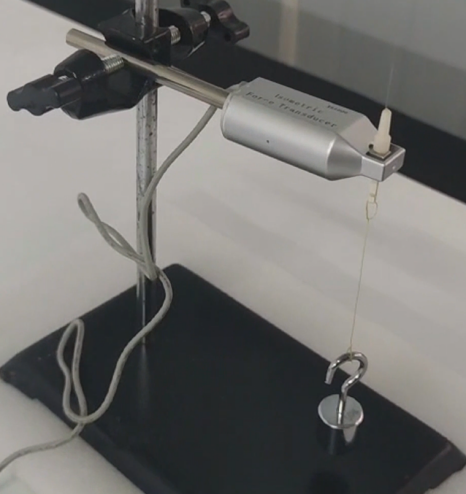
Place the Von Frey sensor on a horizontal surface and keep it still for 2 minutes.
Click “Next,” then hang the calibration weight onto the sensor.
Enter the weight value in 50000mg into the calibration input field, click “Calibrate,” and then return to the previous interface.
2.2 Von Frey Test or Mechanical Allodynia Setup
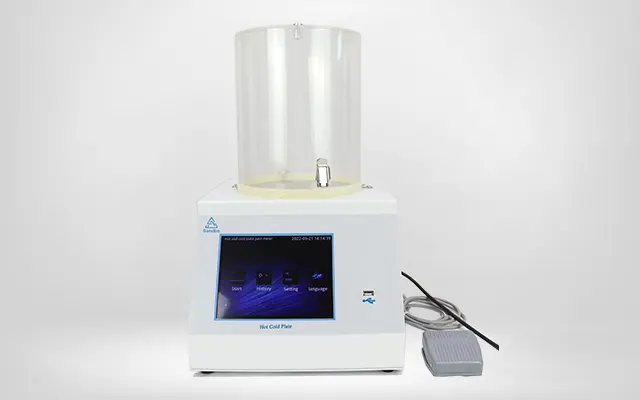
Click “Settings” to enter the configuration interface.
Select the desired mode (There are Manual and Automatic mode in our Von Frey).
In Manual mode, data acquisition begins and ends by pressing the foot pedal.
In Automatic mode, data acquisition stops automatically when the animal withdraws its paw.
Adjust the display backlight brightness as needed.
Return to the previous screen to begin the experiment.
2.3 Create a New Experiment
On the operation interface, click the “Start Experiment” icon.
Click “New” enter the experiment name, and press Enter to confirm. A new experiment will be created.
2.4 Pre-Experiment
Begin stimulation with a 0.6 mm filament to determine an appropriate filament strength for the animal’s response characteristics.
If the animal withdraws too quickly, use a thicker filament; if withdrawal is too slow, switch to a thinner filament.
2.5 Experiment
From beneath the mesh floor, apply the electronic Von Frey filament vertically to the plantar surface of the mouse’s hind paw. To minimize confounding variables, ensure that the application is performed when the subject is not grooming.
Raise the filament at a constant rate, maintaining consistent speed across animals, and gradually increase pressure.
When the threshold is reached, the mouse will withdraw its paw, and the corresponding force value will be automatically recorded.
Each animal receives 5 mechanical sensitivity tests, with at least 1 minute between tests. Then gradually increase the pressure until nociceptive responses such as paw retraction, paw licking, or four-paw jumping are observed. Repeat the process after 24 hours.”
The average of the 5 measurements is calculated and reported as the withdrawal threshold.
Experimental results can be reviewed in the “History Data” section.
Conclusion
Our Electronic Von Frey device is an accurate, easy-to-use solution for quantifying mechanical pain thresholds in rodents. Combining advanced electronics with 4 kinds of different sizes filaments, it enables reproducible, high-resolution measurement of mechanical allodynia and joint pain. Ideal for labs working in pain neuroscience, pharmacology, and preclinical therapeutic evaluation, this Electronic Von Frey Aesthesiometer ensures your data is both accurate and actionable.